
2026 menu trends: shorter menus, bigger flavor, and where the growth really is
By the Zink culinary team · Last reviewed October 2026
Email this article
If your menu feels tighter than it did two years ago, you are in good company. Technomic tracked menus from more than 7,800 U.S. operators and found the average item count dropped 2.8% year over year in 2025, the first real pullback after five years of growth. Average item price slipped too, to $15.70. Operators are not raising prices or adding dishes right now. They are getting more out of what is already on the menu. The trends below show where that effort is paying off.
Five trends worth your attention
1. Sauces are the fastest way to a new dish. Of the ten ingredients Technomic expects to grow most over the next two years, six are condiments or sauces. Chili crisp leads at a predicted 59% growth, followed by mustard glaze (50%), fig jam (45%), pomegranate molasses (40%), peppercorn sauce (35%) and labneh (33%). A new sauce turns a chicken sandwich you already sell into a limited time offer without a new SKU in the walk-in.
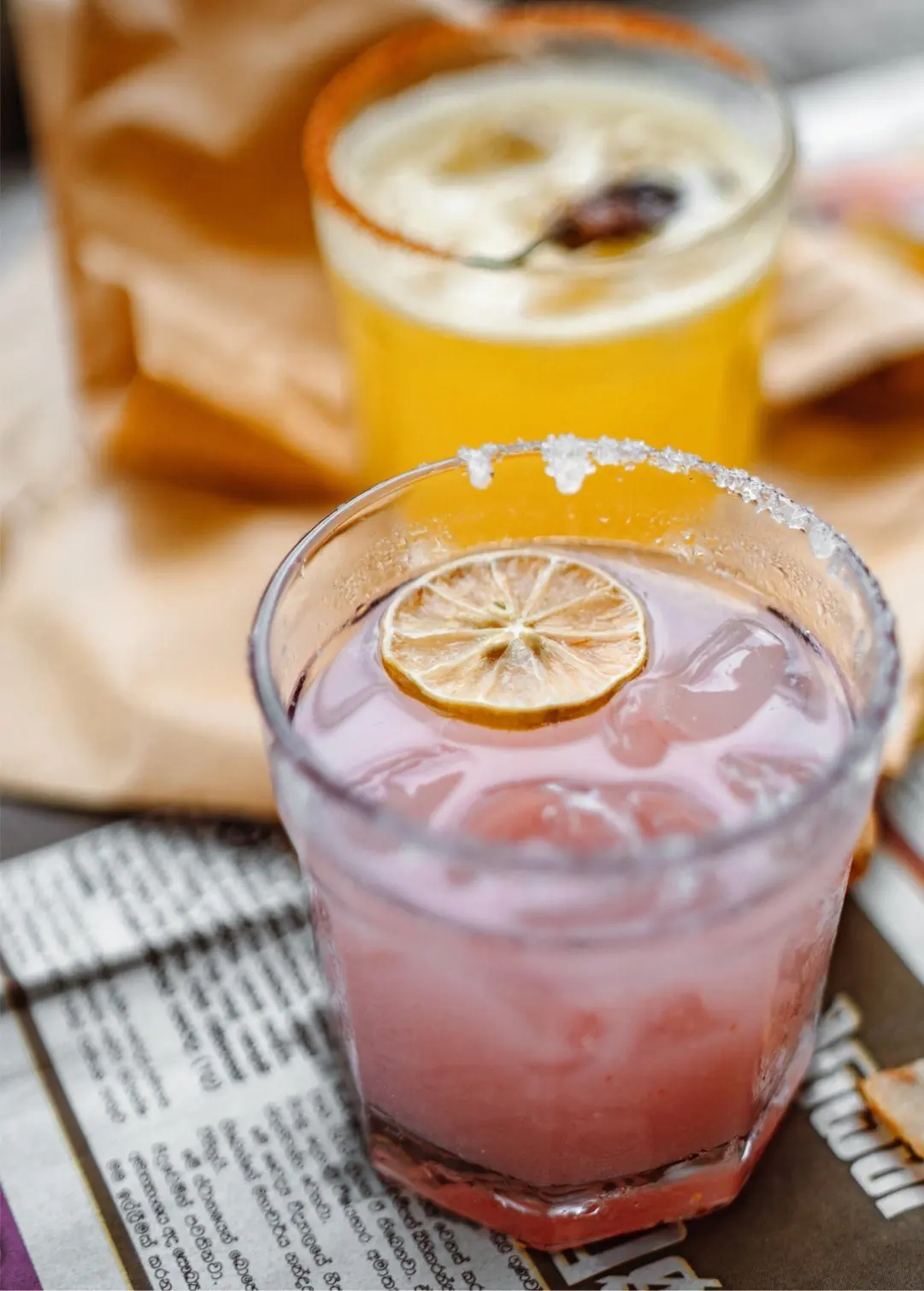
2. Drinks without alcohol are the breakout category. The fastest growing dish on menus last year was not a dish. "Other alcohol free beverage" grew 233% and alcohol free wine grew 169%. Even the kids menu is in on it, with specialty mocktails up 51%. Across the full industry, Technomic says specialty drinks kept gaining through the end of 2025. Beverages carry strong margins and need little labor, which is why so many operators are leaning on them.
3. Protein is the word guests look for. Protein callouts showed up everywhere in 2025, from kids protein sides (up 46%) to "protein" labels on the year's best performing limited time offers. Chicken remains the most menued protein at 86% of operators, and chicken concepts grew 9% as a cuisine type, the fastest of any category alongside Mexican at 8% and steak at 6%. Chicken alfredo alone grew 80% on menus.
4. Specific beats generic. Technomic's review of 2025's best performing limited time offers found that detail sells. Prep details like "14 hour pit smoked," a regional callout like Detroit style or East Texas, or a named brand in the description all showed up again and again. In fact, 27% of the top offers named a brand right in the item name or description. Guests want to know why this one is different.
5. Contrast is the flavor story. Sweet heat (hot honey on pizza and wings), soft meets crunch, savory jam on a burger. The best new items pair opposites. Birria is predicted to grow 37% for the same reason: rich, spicy and served with something to dip.
What is moving and what is settling
| Growing on menus | Flat or shrinking |
|---|---|
| Adult beverages, item count up 3.3% | Entrees, down 3.4% |
| Add-ons, up 1.2% | Appetizers, down 4.2% |
| Kids menu, up 0.7% | Desserts, down 4.6% |
| Condiments, specialty drinks, protein callouts | Overall item count, down 2.6% to 2.8% depending on the data set |
Source: Technomic Ignite Menu, Q4 2024 to Q4 2025, 8,045 U.S. operators.
Read the table as a whole and a pattern shows up. The categories shrinking are the big, labor heavy ones. The categories growing are small, fast and high margin. That is not a coincidence. It is operators making room on a shorter menu for the things that pay.
How the trend spreads. Technomic tracks ingredients from chef driven independents, through higher end casual chains, to fast casual and finally quick service. Chili crisp and labneh are early in that cycle. Burrata and black truffle are mid cycle, already on more than 20% of menus. If you run a casual or quick service concept, the ingredients on the innovator list today are your menu in two or three years.
What these trends ask of your kitchen
Every item above puts a specific demand on equipment, and the demand is usually not where operators expect it.
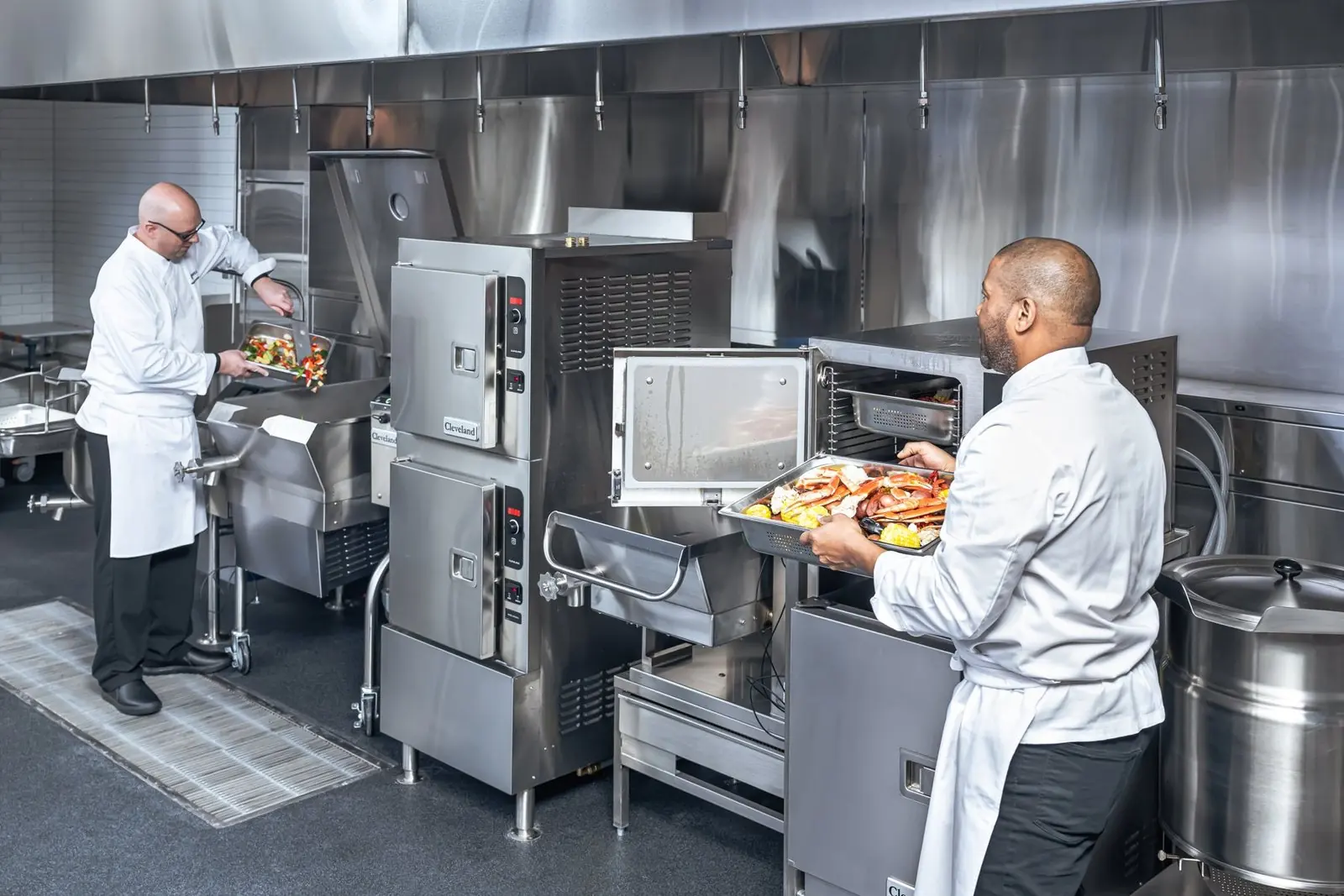
A sauce program lives or dies on holding. Chili crisp and glazes hold well, but a cream based peppercorn sauce or a chicken jus needs a steady, low temperature hold or it breaks. A kettle or a tilt skillet for batch production plus the right hot well is the difference between a sauce that tastes the same at 8 p.m. as it did at 5 p.m. and one that does not.
A beverage program lives on ice and cold storage. Every new specialty drink draws on the ice machine, and most operators are already short on ice at peak. If you add three drinks, check the machine's real production at your ambient temperature before you print the menu. Our ice sizing tool gives you the number in a minute.
Protein and specificity live on consistency. "14 hour smoked" only works if it comes out the same every time, which is where programmable cooking and combi ovens earn their keep.
Before you print the menu: cook the new item on the equipment you will actually use, at the volume you will actually sell, and hold it for the full service window. Then taste it at the end. That one test catches most of the problems a new menu creates.
Where to run that test
Zink's culinary team operates eight Culinary Centers across the Great Lakes where operators bring their own recipes and cook them on equipment from the brands we represent. Our chefs have worked with restaurant groups, schools, healthcare systems and c-stores, and they are good at spotting the step in a recipe that will not survive a Friday night. There is no cost to visit. You leave knowing whether the item works and what it takes to run it. Book a visit and bring the recipe. We will bring the kitchen.
Sources: Technomic Ignite Menu national food trends data, Key Foodservice Trends to Watch, January 2026 (base 7,861 U.S. operators, Q4 2020 to Q4 2025); Technomic Core Menu Trends U.S. Q4 2025 (base 8,045 operators); Technomic My Menu Trends, February 2026; Technomic Best in Class LTOs for 2025, February 2026. Growth figures are year over year unless noted. The two Technomic data sets use different operator bases, which is why item count change appears as both 2.6% and 2.8%.
Questions operators ask
Should we add items or cut them?
The data says cut first, then add with purpose. A shorter menu with one or two new sauces and a strong drink list is outperforming longer menus right now.
Which trend is safest to try first?
A sauce or a glaze on a dish you already sell. It costs the least, needs no new equipment in most kitchens, and gives you a limited time offer to talk about.
How do we know a new item will hold up at volume?
Cook it that way before you commit. A visit to a Zink Culinary Center is the simplest way to find out, and it is free.