Field notes, guides & news
Zink Insights.
Plain-language answers to the questions operators, dealers, and consultants actually ask — written by the people who spec, cook on, and stand behind the equipment. Plus videos, events, and what's new at Zink.
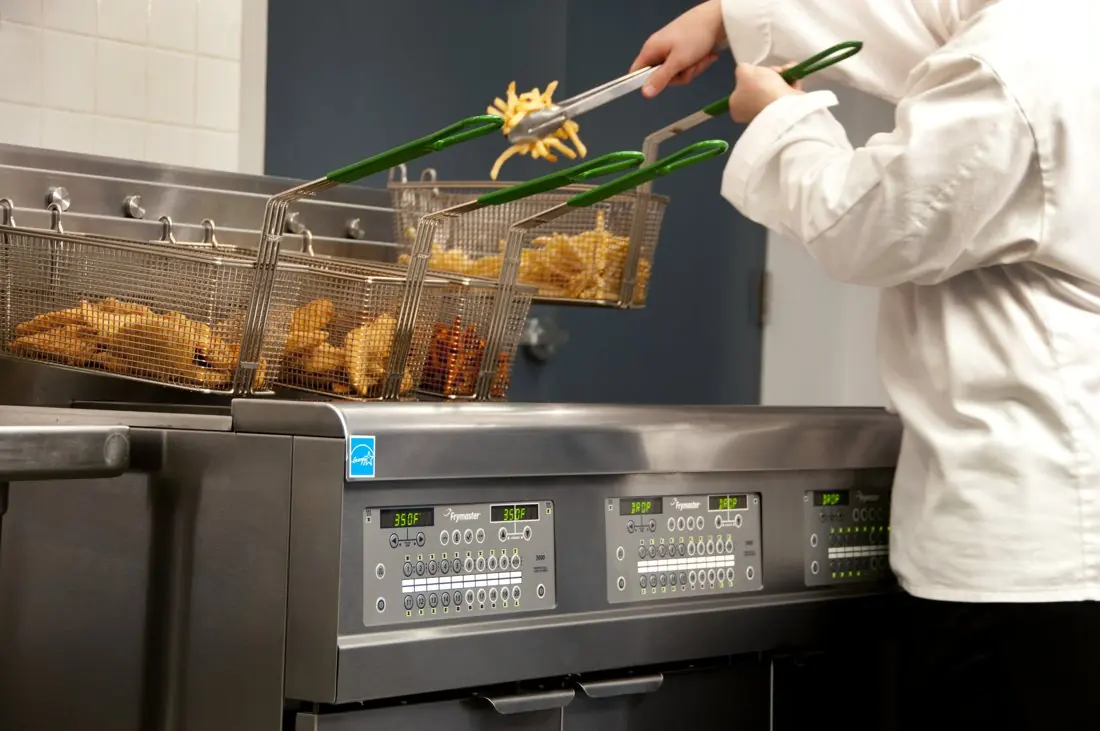
Test Before You Buy · Featured
Where Can You Test Commercial Kitchen Equipment Before Buying?
Test commercial kitchen equipment at a rep firm's culinary center before you buy. Zink runs eight across the Great Lakes. Testing costs you nothing.
Read the article →Start here
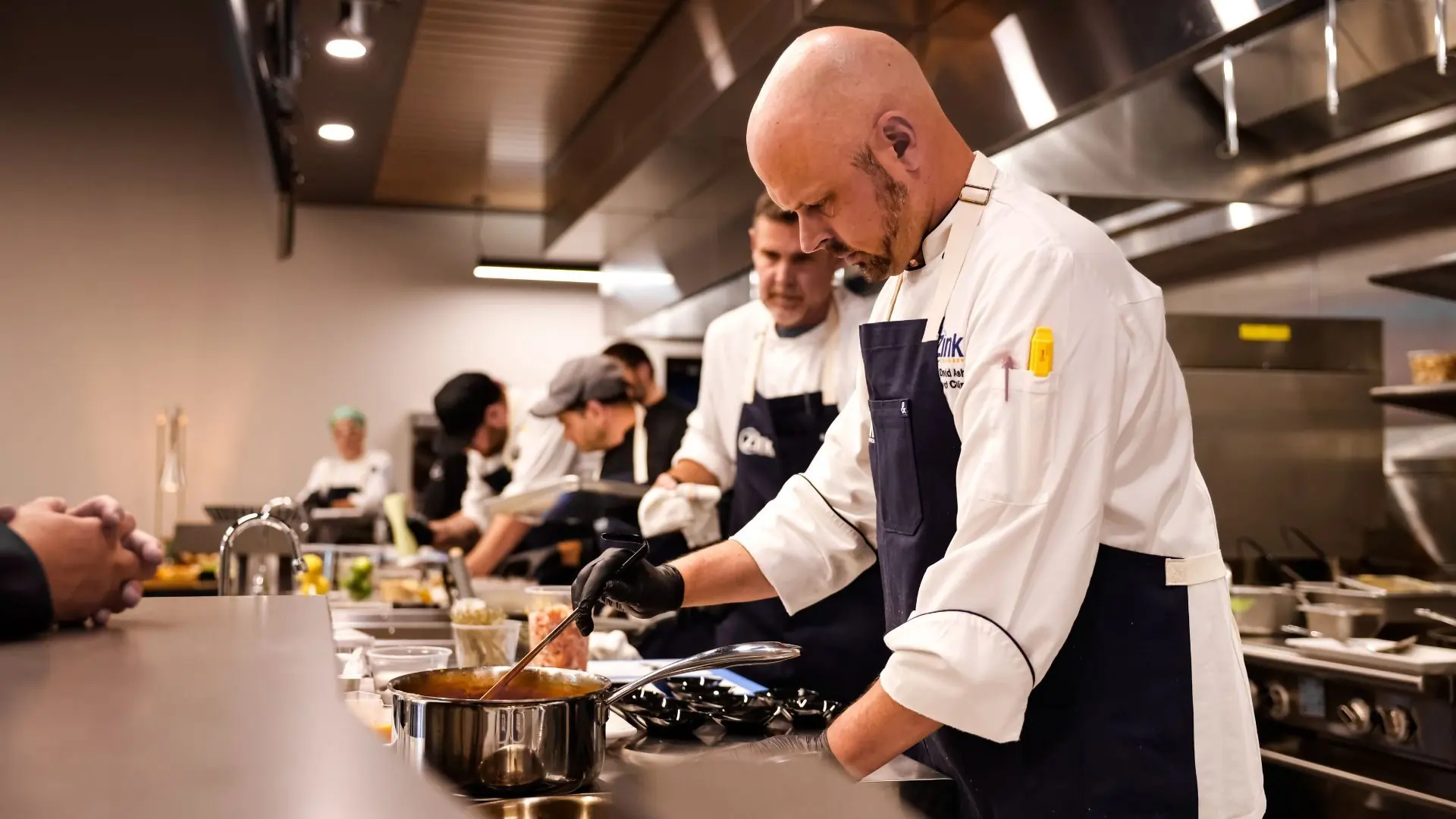
The Rep Model
What Does a Foodservice Equipment Rep Actually Do?A foodservice equipment rep is the manufacturer's local expert: demos, specs, training, and support. Here is what the job looks like day to day.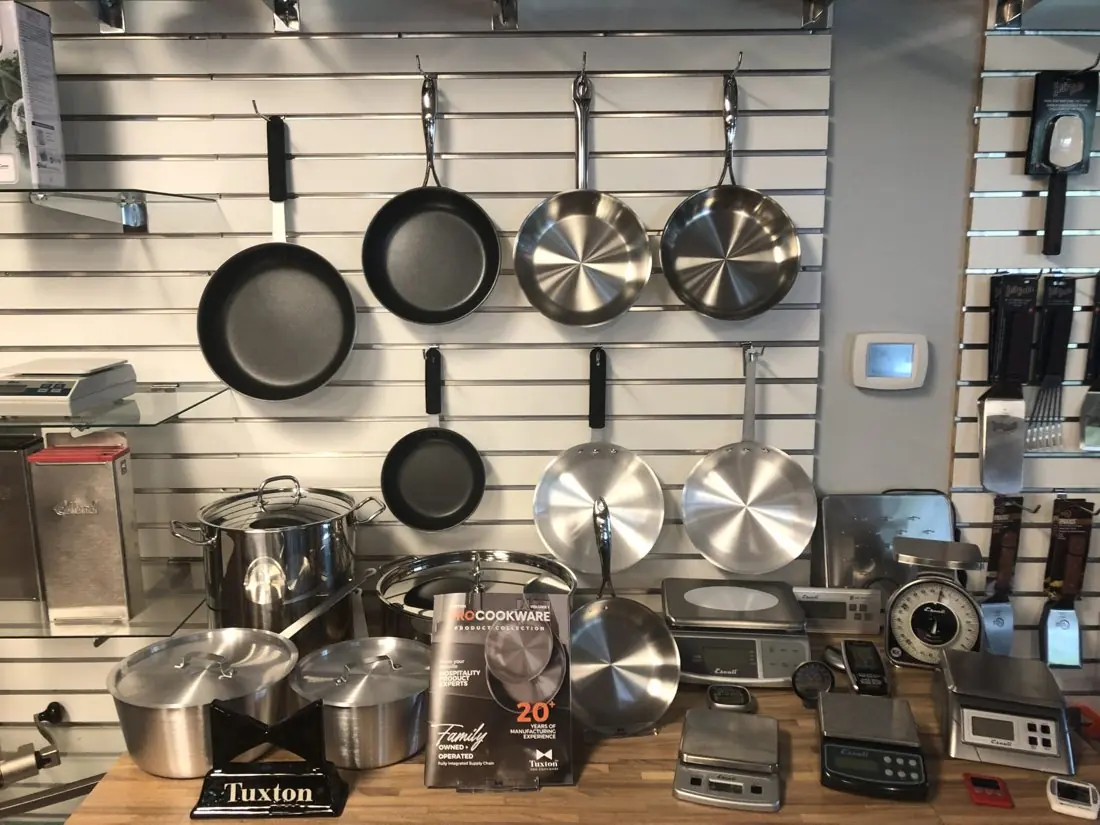
Tabletop & Smallwares
Smallwares checklist for opening a restaurant kitchenA station-by-station smallwares checklist for opening a restaurant kitchen: prep, line, plating, storage, and cleaning, with buying tips.Test before you buy
The case for cooking on it first, and what a session actually shows you.
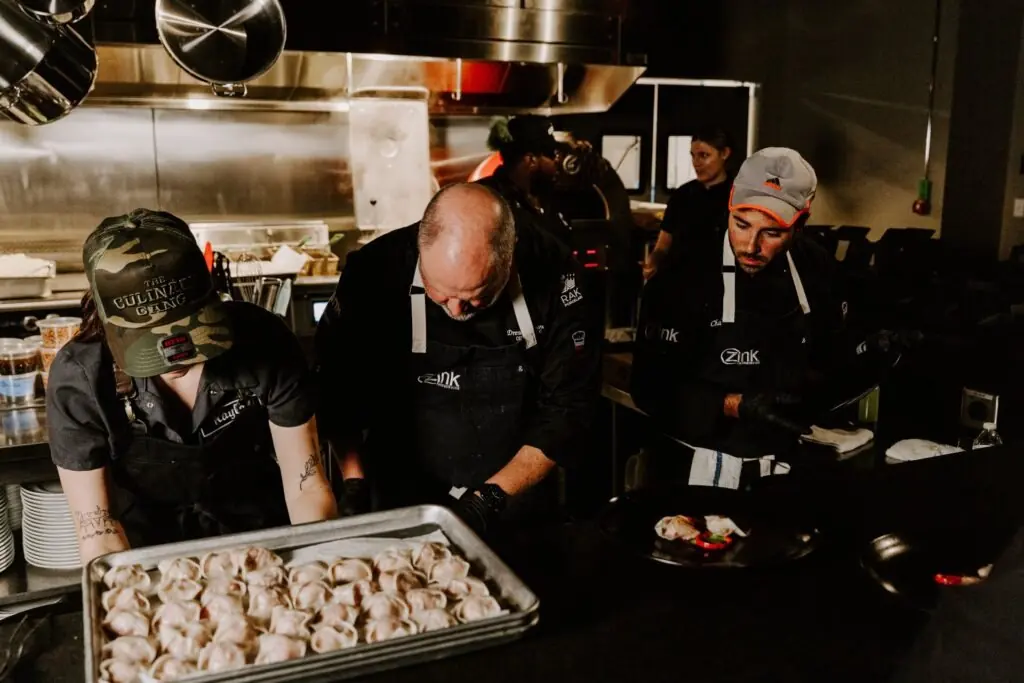 Cooking Your Own Menu on Equipment You're Considering: Why Operators Do ItWhy operators cook their own menu on equipment before buying: demo food proves the unit works, your food proves it works for you. Testing costs nothing.By the Zink culinary team
 How a Culinary Center Visit Works: What to Bring, What Happens, What It CostsWhat happens at a culinary center visit: book a session, bring your recipes and product, cook on live equipment. It costs the operator nothing.By the Zink culinary team
 The Demo Scorecard: What to Measure When You Test EquipmentA printable scorecard for equipment demos: preheat, recovery, hold quality, cleanup time, and utilities — the measurements that turn a test session into a decision.By the Zink culinary team
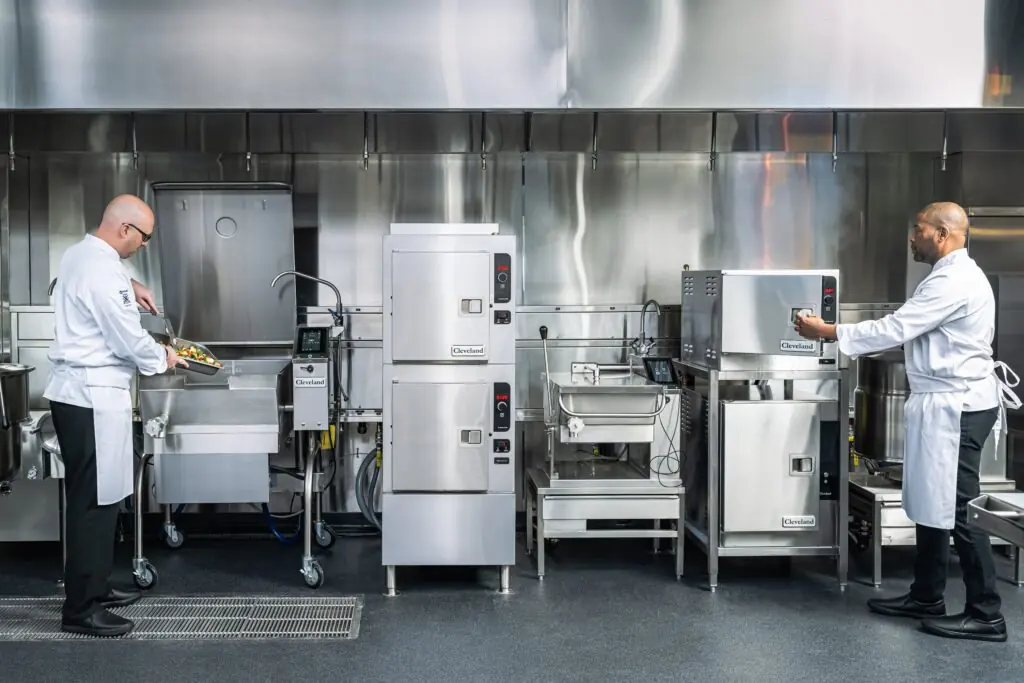 How to Test Commercial Kitchen Equipment: Best Practices from Eight KitchensBest practices for testing commercial kitchen equipment before buying: what to bring, what to measure, and how to run a session that actually settles the decision.By the Zink culinary team
Where Can You Test Commercial Kitchen Equipment Before Buying?Test commercial kitchen equipment at a rep firm's culinary center before you buy. Zink runs eight across the Great Lakes. Testing costs you nothing.By the Zink culinary team
How to Test Commercial Kitchen Equipment: Best Practices from Eight KitchensBest practices for testing commercial kitchen equipment before buying: what to bring, what to measure, and how to run a session that actually settles the decision.By the Zink culinary team
Where Can You Test Commercial Kitchen Equipment Before Buying?Test commercial kitchen equipment at a rep firm's culinary center before you buy. Zink runs eight across the Great Lakes. Testing costs you nothing.By the Zink culinary team
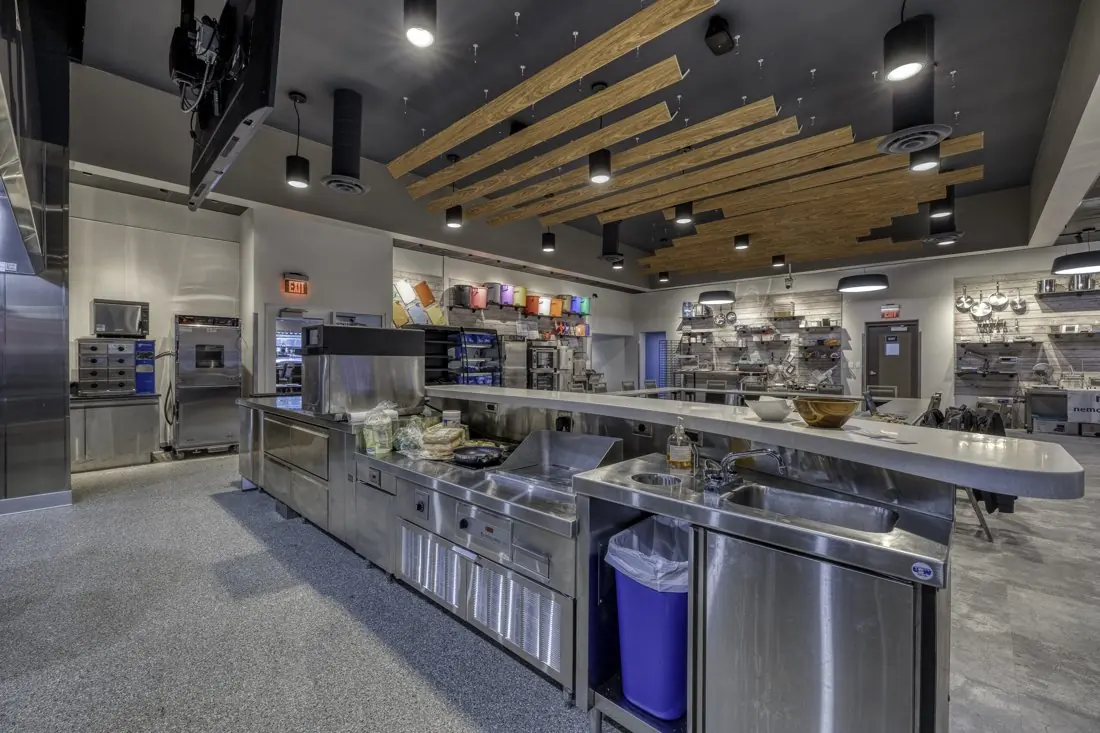 Five Things Operators Discover in a Test Kitchen That Spec Sheets Never ShowFive things a test kitchen reveals that spec sheets can't: recovery under load, workflow fit, staff usability, output on your recipes, cleaning reality.By the Zink culinary team
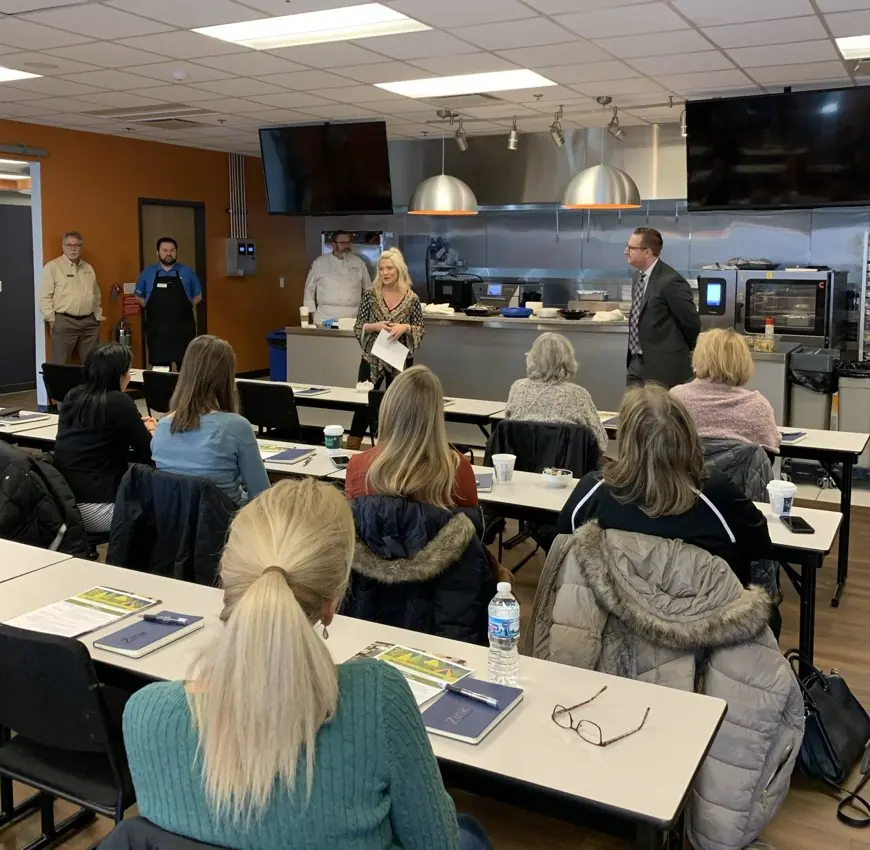 Who to Bring to an Equipment Demo (and What Each Person Should Watch)The right people to bring to an equipment test: who watches product, who watches workflow, who watches utilities — and why the line cook matters most.By the Zink culinary team
The rep model
Who does what in this channel, what it costs you, and why the answer is nothing.
 Who Handles Warranty on Commercial Kitchen Equipment — and Who to Call FirstThe manufacturer backs the warranty, and its authorized service agent makes the repair. Learn who to call first when commercial equipment fails.By the Zink client services team
 How Equipment Gets Specified for a New Restaurant, Start to FinishFrom menu to punch list: how commercial kitchen equipment gets specified for a new restaurant, and who owns each step along the way.By the Zink inside team
 Do You Buy Commercial Kitchen Equipment From a Rep, a Dealer, or the Manufacturer?Who actually sells you commercial kitchen equipment? Learn what reps, dealers, and manufacturers each do, and where your purchase order really goes.By the Zink client services team
What Does a Foodservice Equipment Rep Actually Do?A foodservice equipment rep is the manufacturer's local expert: demos, specs, training, and support. Here is what the job looks like day to day.By the Zink inside team
Do You Buy Commercial Kitchen Equipment From a Rep, a Dealer, or the Manufacturer?Who actually sells you commercial kitchen equipment? Learn what reps, dealers, and manufacturers each do, and where your purchase order really goes.By the Zink client services team
What Does a Foodservice Equipment Rep Actually Do?A foodservice equipment rep is the manufacturer's local expert: demos, specs, training, and support. Here is what the job looks like day to day.By the Zink inside team
 What Does a Manufacturer Rep Cost the Operator?A manufacturer rep costs the operator nothing. Manufacturers pay rep commissions on what sells. Here is how the money actually works.By the Zink client services team
Spec guides
The decisions that get made early and are expensive to revisit.
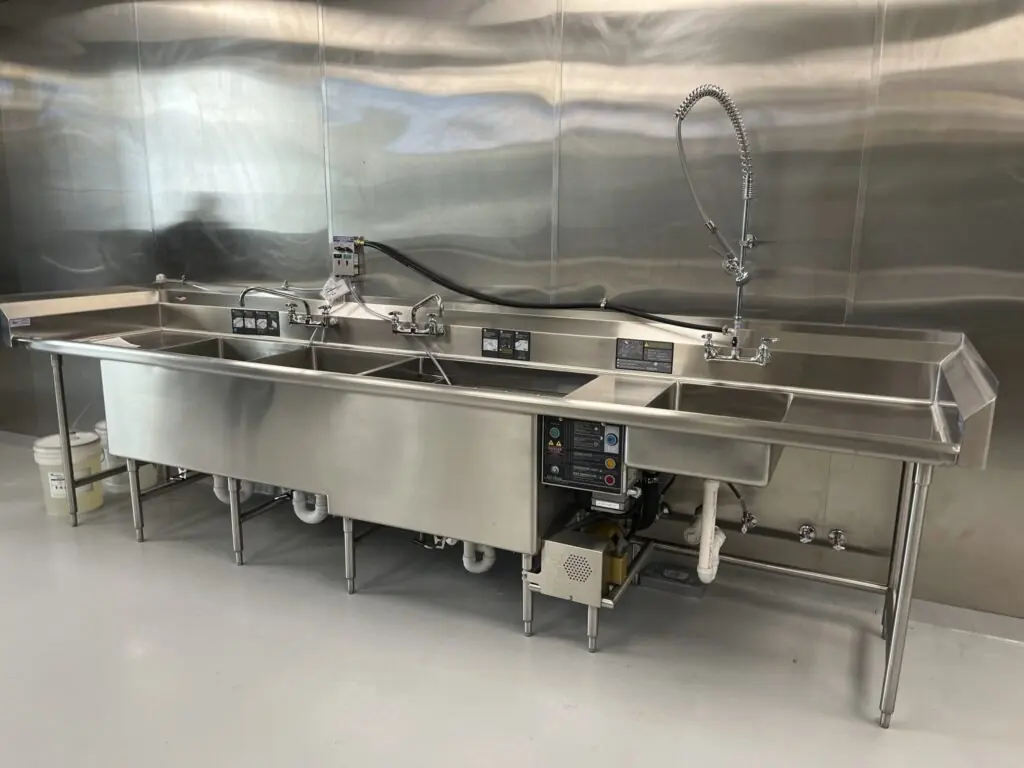 Waste, water, and warewash: the back-of-house systems nobody budgets enough forThe back-of-house systems projects underfund: dishroom layout, water treatment, waste handling, and grease management, and how to budget them right.By the Zink equipment team
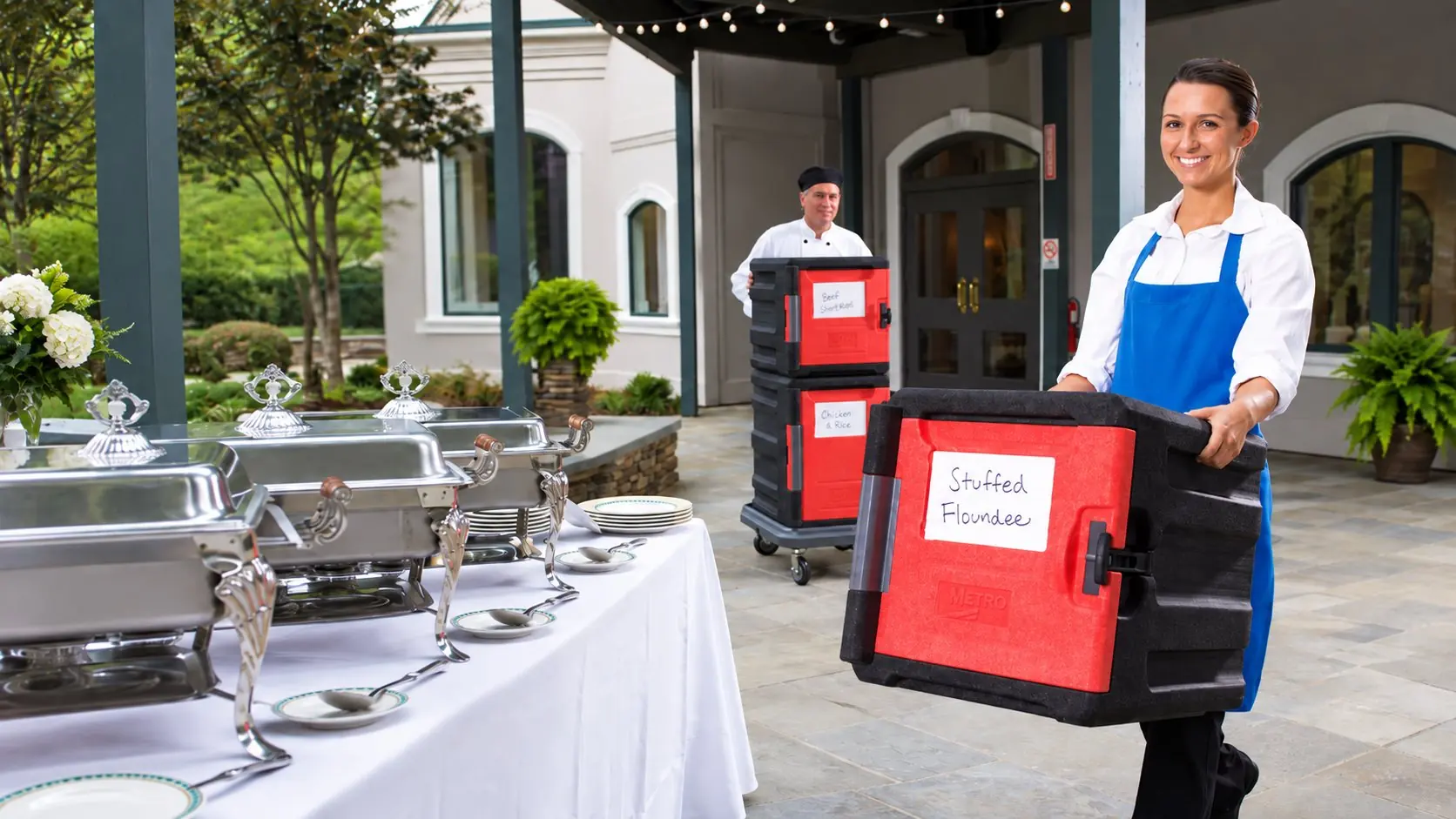 The cold chain doesn't end at the dockOnce product leaves the supplier's dock, the vehicle is part of your food safety program. The FDA rules for the ride back, and how insulated carriers like Metro Mightylite fit in.By the Zink equipment team
 Fryer buying guide: recovery, filtration, and oil economicsHow to buy a commercial fryer: why recovery matters more than size, how filtration pays for itself, and how oil costs shape the real decision.By the Zink equipment team
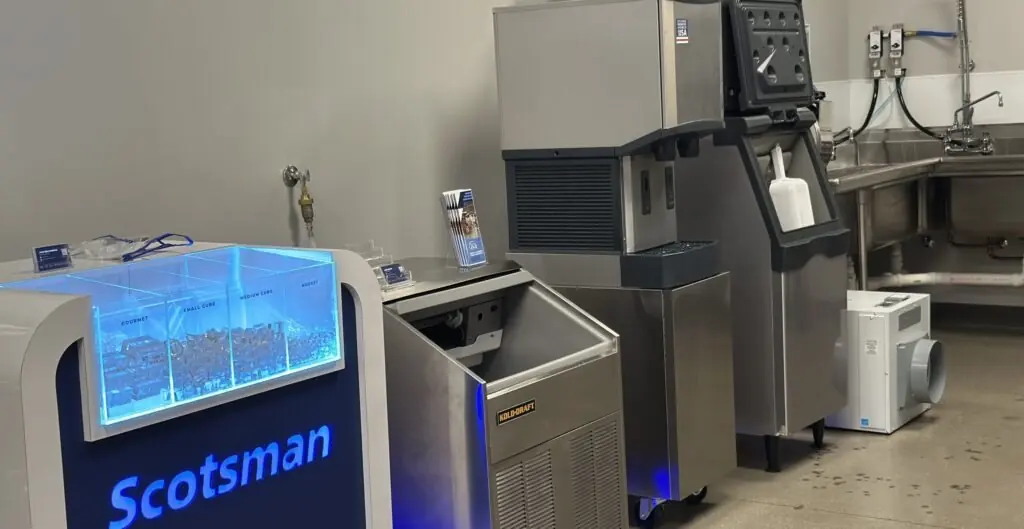 Commercial ice machines: matching type and capacity to your volumeHow to match a commercial ice machine to your operation: ice type, daily capacity, storage, condenser choice, and the water questions that matter.By the Zink equipment team
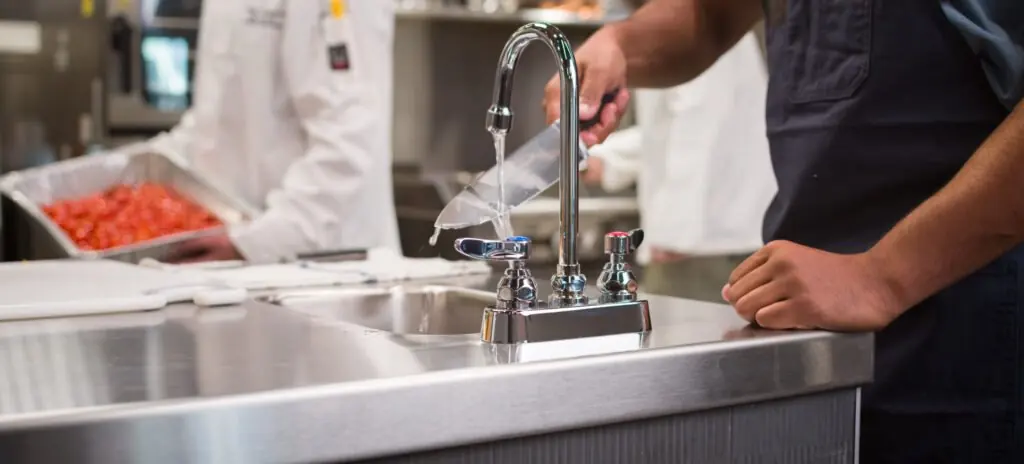 Water is the cheapest utility you're wastingWhere commercial kitchens waste water and how to stop: pre-rinse spray valves, dipper wells, ice machines, dish machines and steamers — with the sewer charge counted.By the Zink equipment team
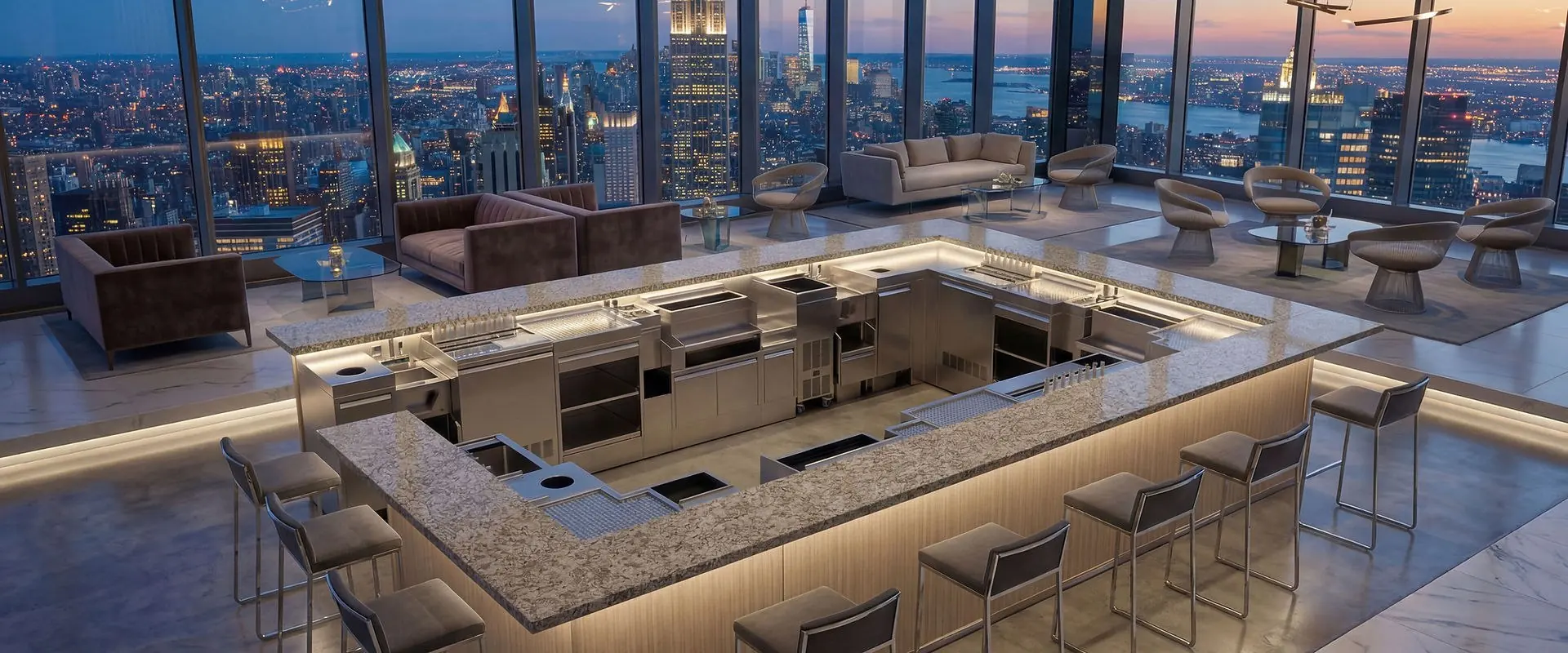 Raising the bar, literally: what a 36" work surface does for your bartendersTraditional underbar puts the work surface at 30 inches. Glastender's Elevation series raises it to 36. What six inches does for bartender ergonomics, speed, and the show.By the Zink equipment team
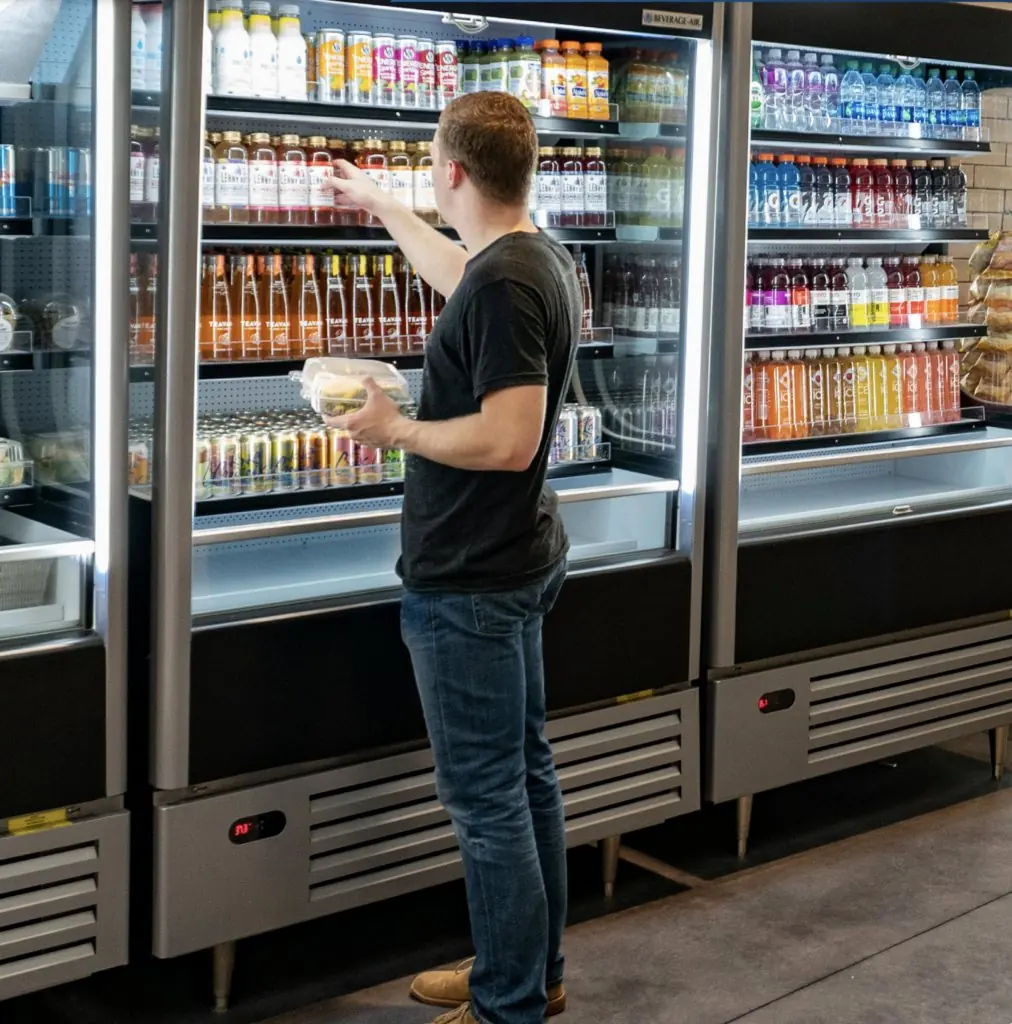 What ENERGY STAR actually means on a commercial kitchen spec sheetWhat ENERGY STAR certification guarantees on commercial kitchen equipment, which categories carry it, where the savings actually come from, and how it unlocks utility rebates.By the Zink equipment team
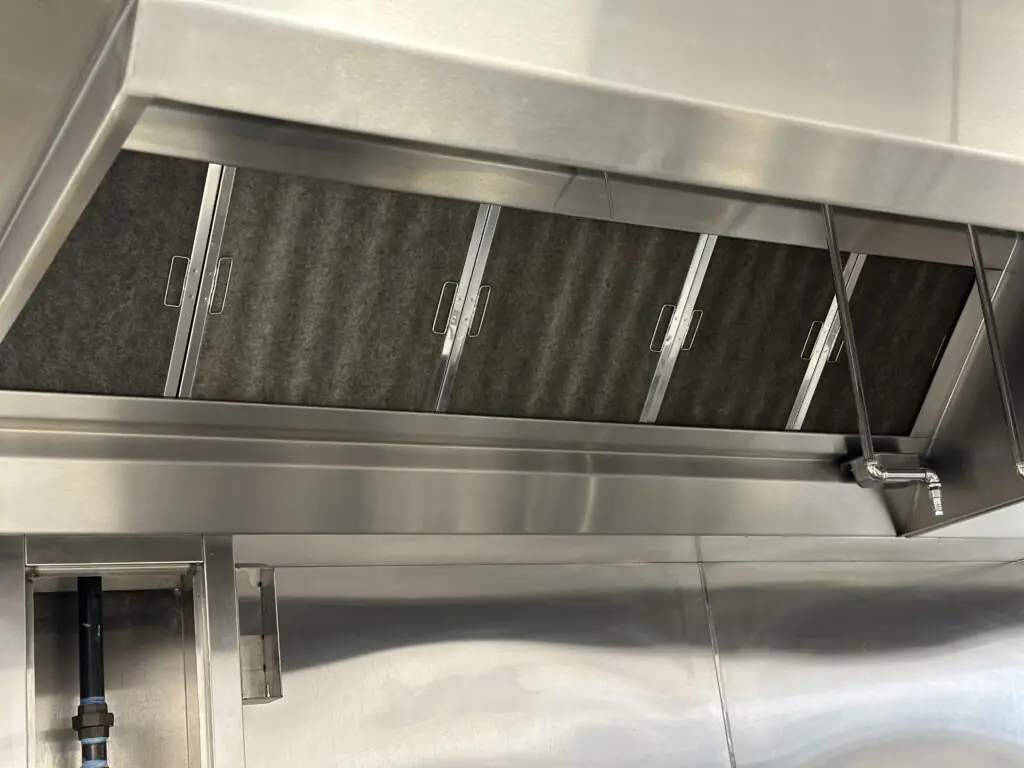 The five cheapest fixes first: cutting the utility bill before you buy anythingFive no-capital ways a commercial kitchen cuts its utility bill: startup schedules, setpoints, maintenance, strip curtains and spray valves — before any equipment purchase.By the Zink equipment team
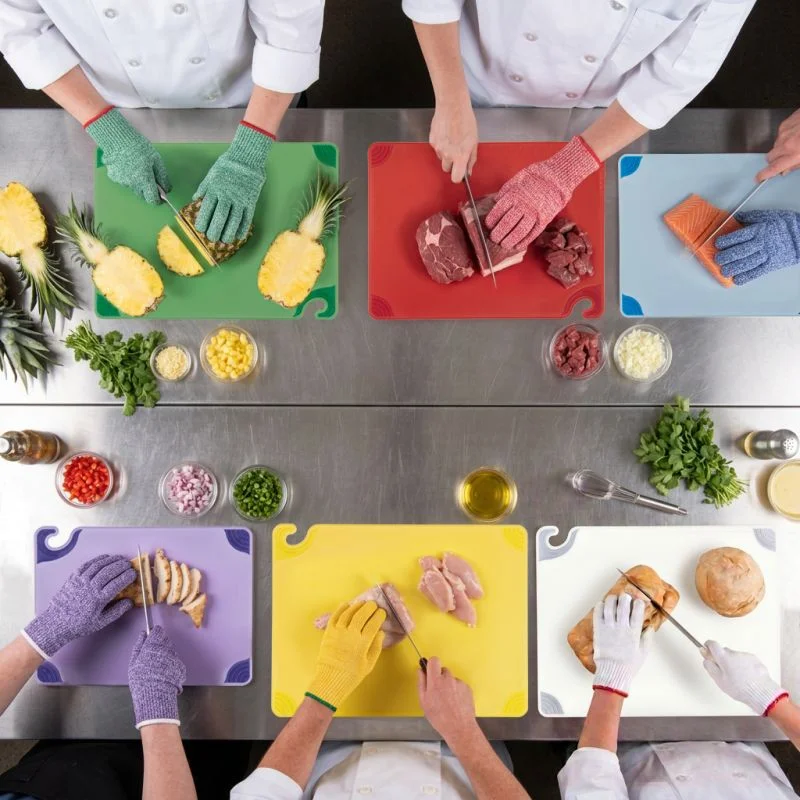 Color-Coding Your Kitchen: How a HACCP Color System Actually WorksA color-coded HACCP system stops cross-contamination before it starts: which color handles which food, what to color-code beyond cutting boards, and how to roll one out.By the Zink culinary team
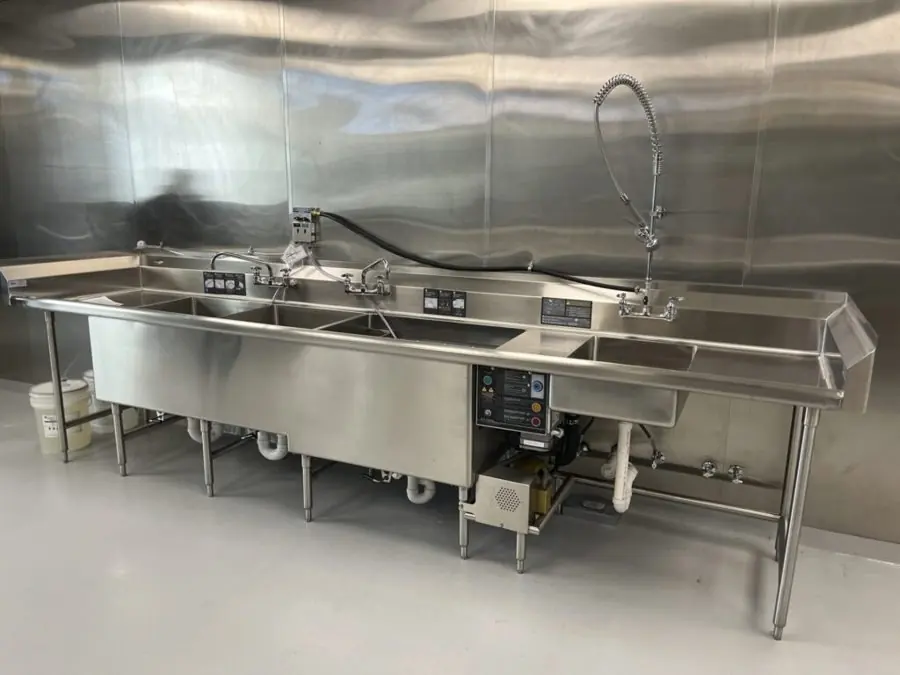 High-temp vs. low-temp dish machines: which is right for your operationHigh-temp or low-temp dish machine? Compare sanitizing method, utilities, chemical costs, and drying performance to pick the right warewasher.By the Zink equipment team
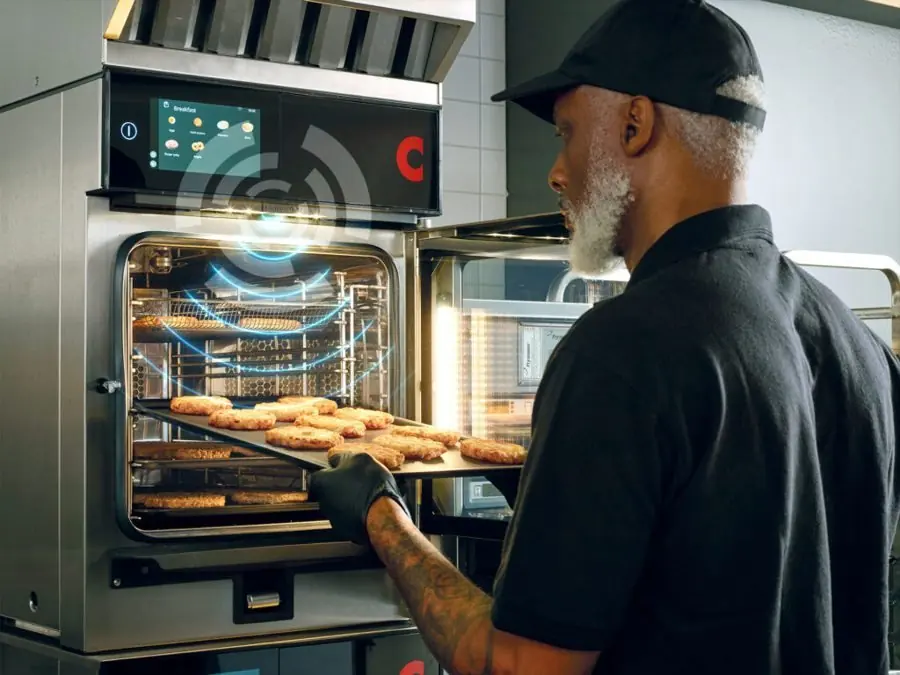 How to choose a combi oven: size, fuel, cleaning, and the questions that matterA plain-language guide to choosing a combi oven: how to size it, pick gas or electric, compare cleaning systems, and plan utilities before you buy.By the Zink equipment team
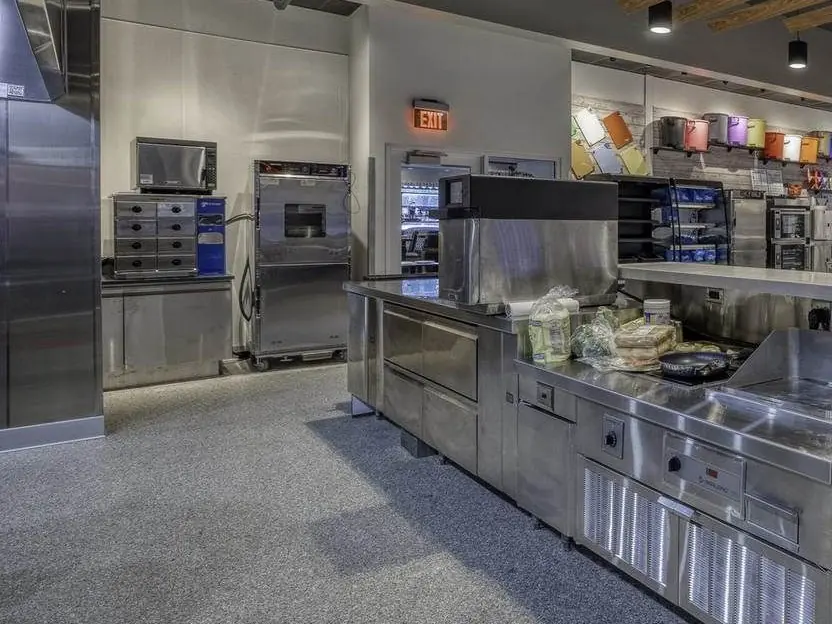 IDDSI Without the Guesswork: Equipment for Texture-Modified MenusTexture-modified dining is a repeatability problem. The equipment that makes IDDSI levels consistent — blending, portioning, holding — across every shift.By the Zink culinary team
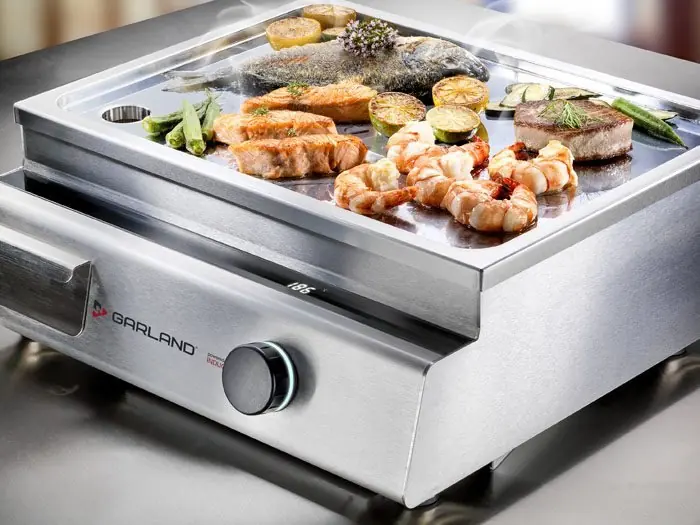 Where Induction Cooking Beats Gas, and Where It Doesn'tInduction wins on efficiency, speed, and a cooler kitchen; gas keeps the flame, raw power, and outage resilience. How to split the line.By the Zink equipment team
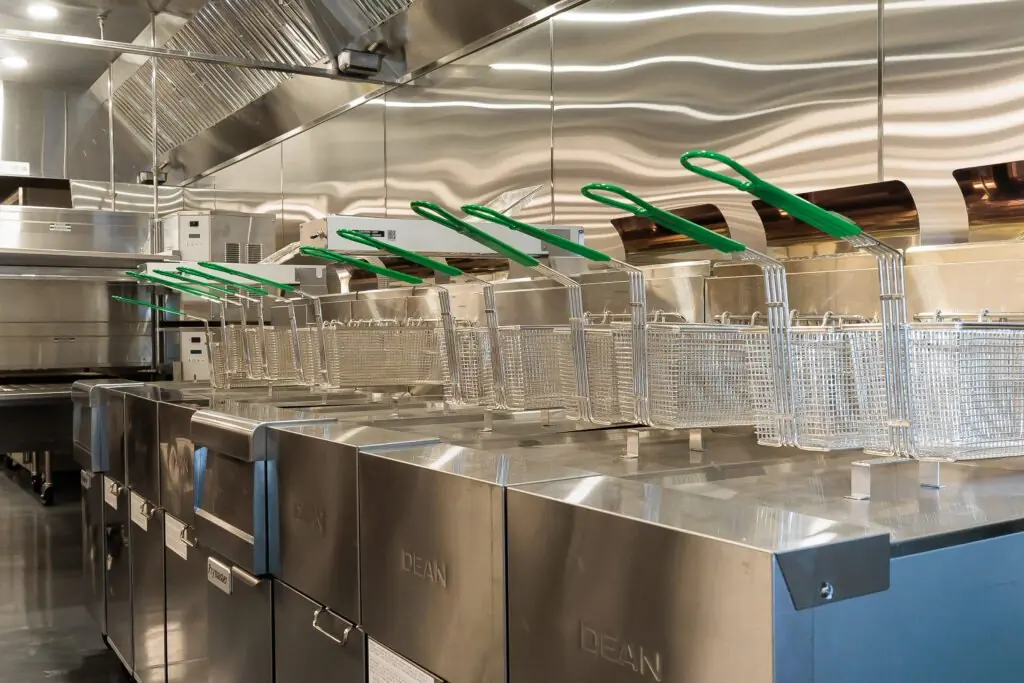 The rebate check nobody claims: how kitchen equipment rebates actually workHow commercial kitchen equipment rebates work in the Great Lakes: prescriptive vs. custom vs. instant discounts, who files, and the timing rule that decides whether you collect.By the Zink equipment team
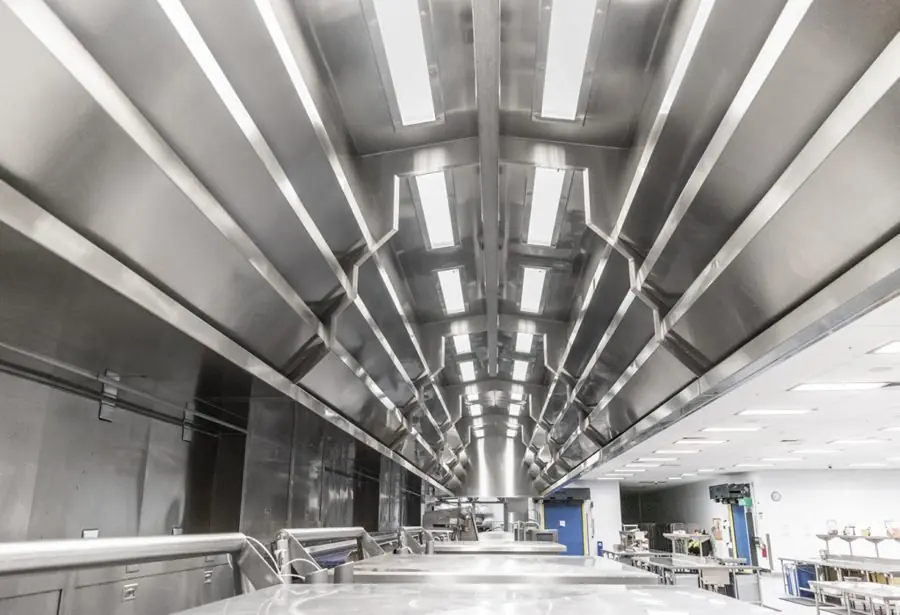 Ventilation and hoods: what operators need to know before the drawings are doneWhat operators must settle about kitchen ventilation before drawings are final: hood types, makeup air, duct routing, and future equipment plans.By the Zink equipment team
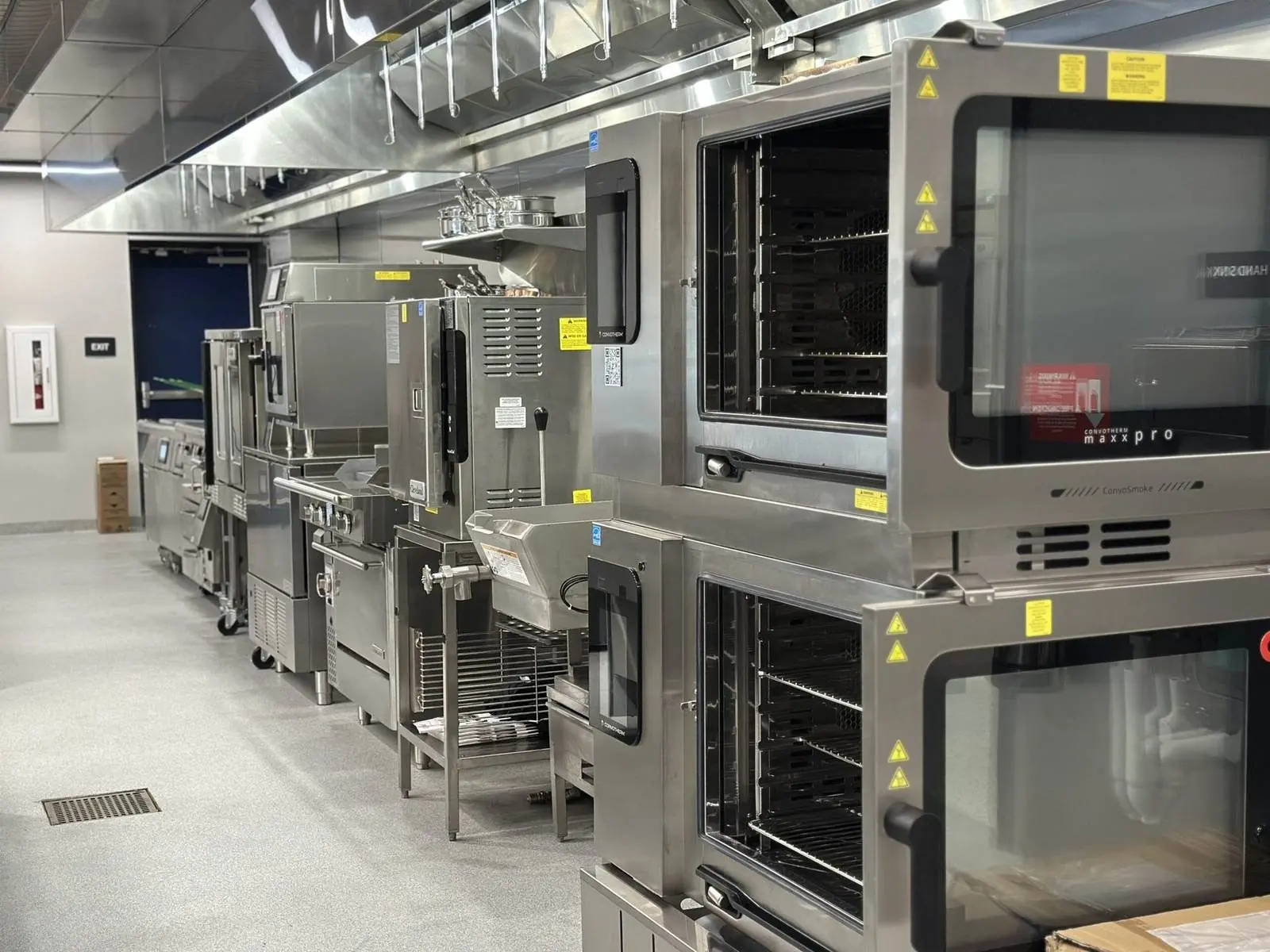 The Labor You Don't Have to HireYou can't hire your way out of the kitchen labor shortage — but you can spec your way around parts of it. Where equipment genuinely replaces hours, and where it doesn't.By the Zink culinary team
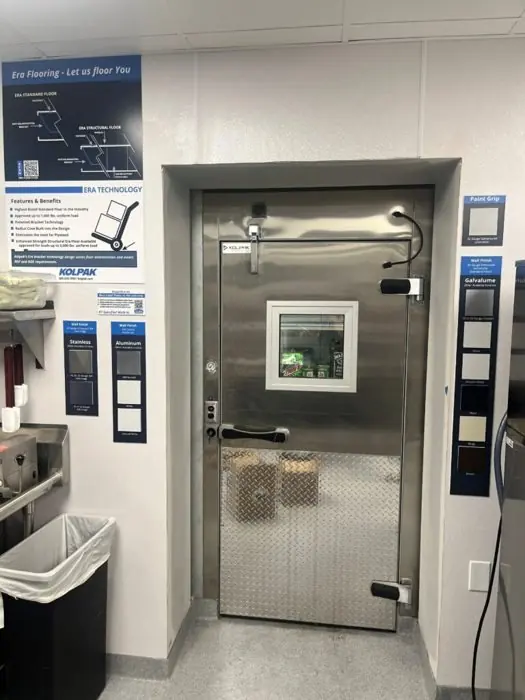 What the New Refrigerant Rules Mean for Your KitchenNew EPA refrigerant rules are phasing out R404A in walk-in refrigeration. What R454A and R448A mean for your kitchen, and what to ask before buying.By the Zink equipment team
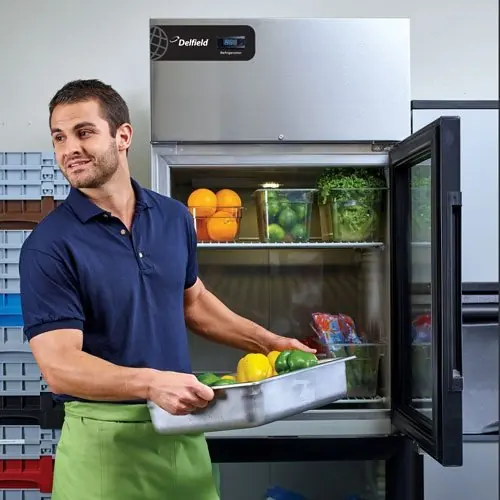 Refrigeration lineup planning: reach-ins, undercounters, and prep tablesHow to plan point-of-use refrigeration: where reach-ins, undercounters, and prep tables belong, and how to spec doors, condensers, and service.By the Zink equipment team
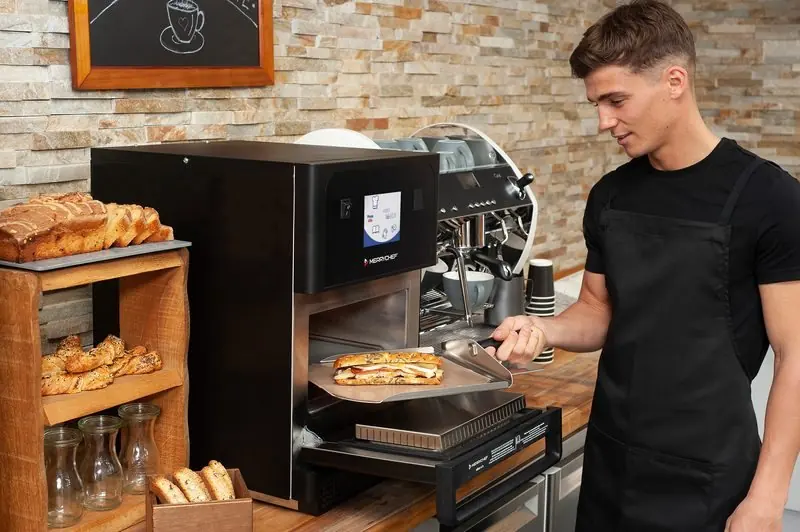 Speed ovens explained: when rapid-cook earns its footprintWhat speed ovens do, where rapid-cook fits, and how to decide if one earns its counter space: menu match, volume, ventilation, and workflow.By the Zink equipment team
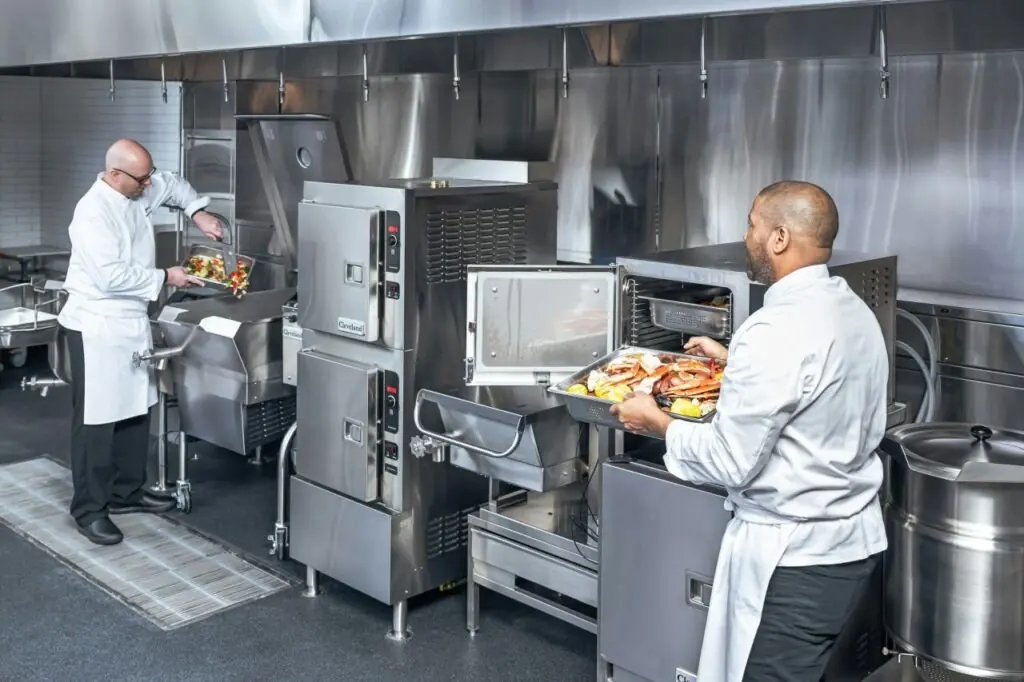 Steamer, kettle, or tilt skillet: which does your menu actually need?Steamers, steam-jacketed kettles and tilt skillets compared: what each does best, how to choose by volume, cleanup and utilities, and when a kitchen needs all three.By the Zink culinary team
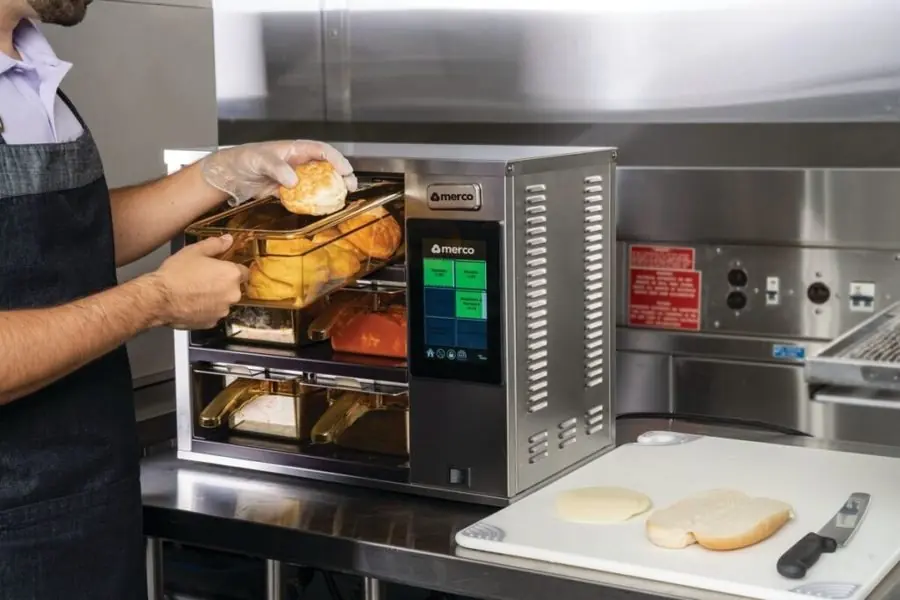 The Food Holding ProblemSafe holding starts at 135°F, but worth serving takes more. How humidity, time, and the right equipment keep held food tasting fresh.By the Zink culinary team
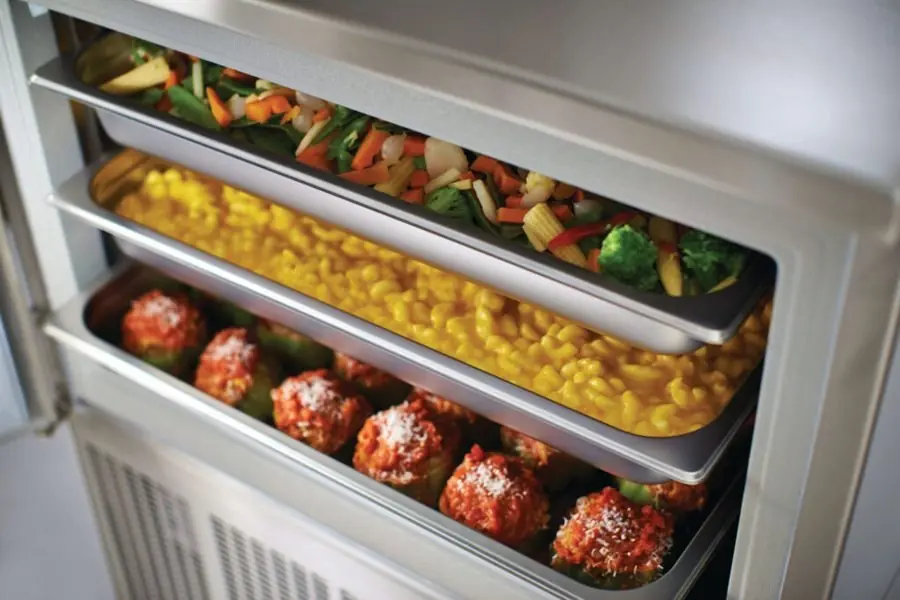 The Four Hours That Decide If Food Is SafeThe FDA Food Code gives you six hours to cool hot food, and the last four are the hardest. How blast chilling wins the race to 41°F.By the Zink culinary team
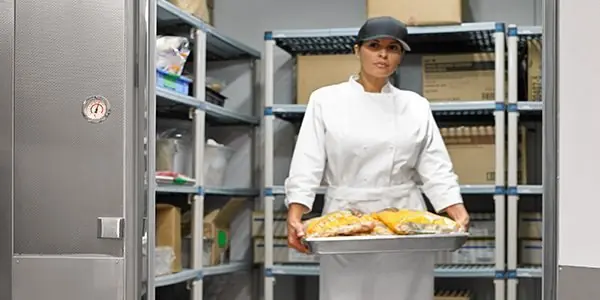 Walk-In Cooler Myth: Air Temp Is Not Product TempA walk-in reading 38 degrees does not mean your food is safe. Why air temp is not product temp, and the FDA two-stage cooling method that fixes it.By the Zink equipment team
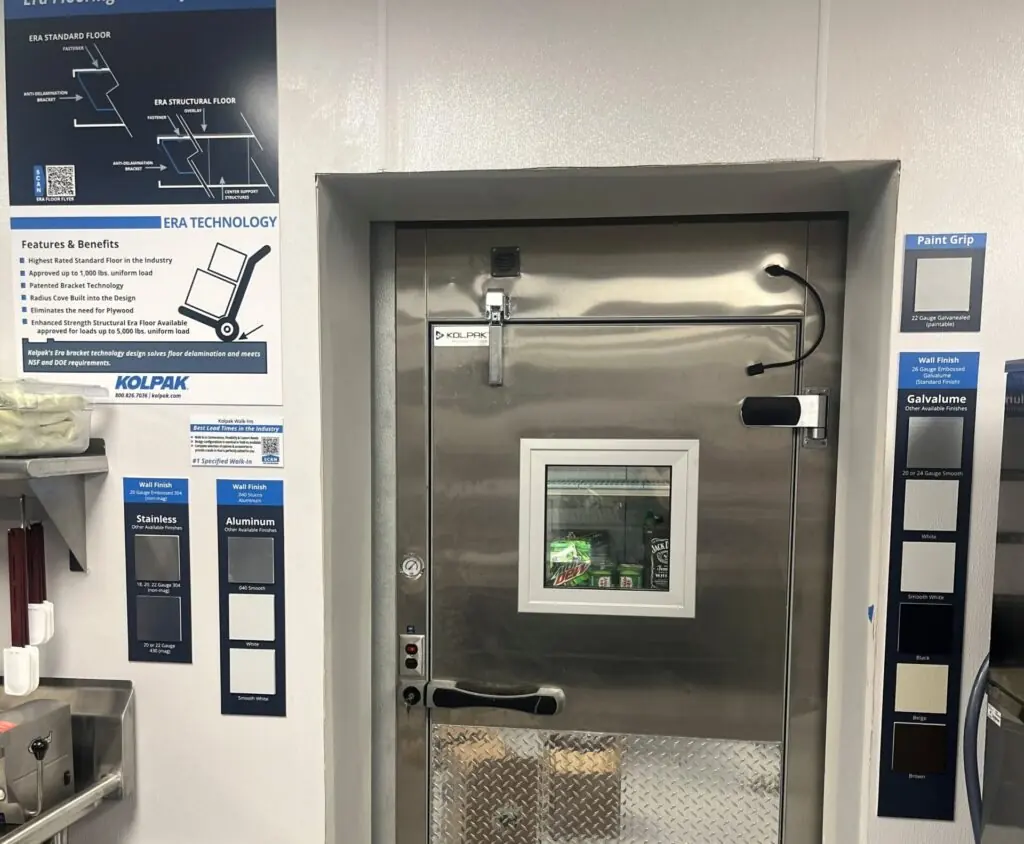 Walk-in cooler planning: sizing, placement, and what drives costHow to plan a walk-in cooler: size it from delivery schedules, place it for workflow, and understand the choices that drive cost up or down.By the Zink equipment team
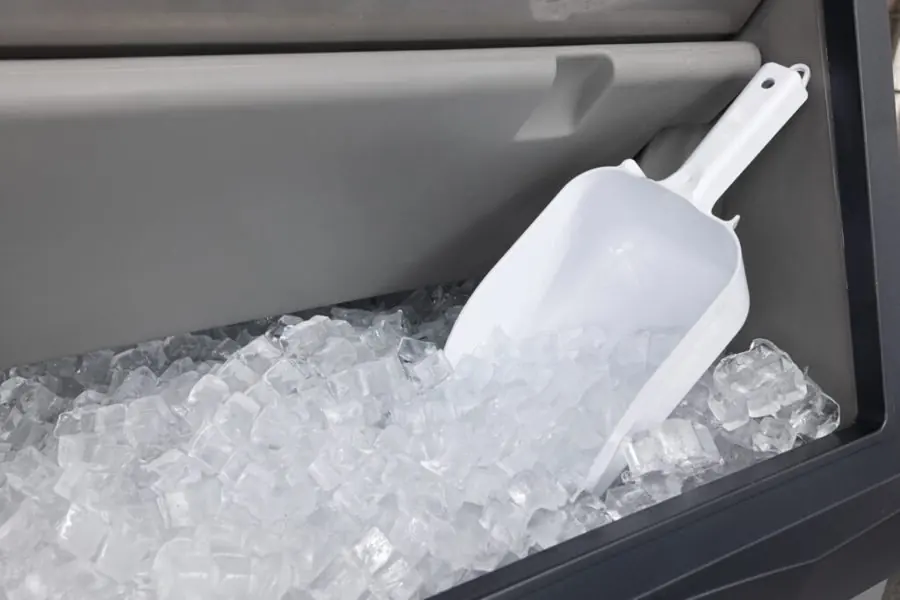 What's Living in Your Ice MachineIce is food, and your ice machine is a warm, wet, dark box. The cleaning rhythm and sanitation-first design that keep slime and mold out.By the Zink equipment team
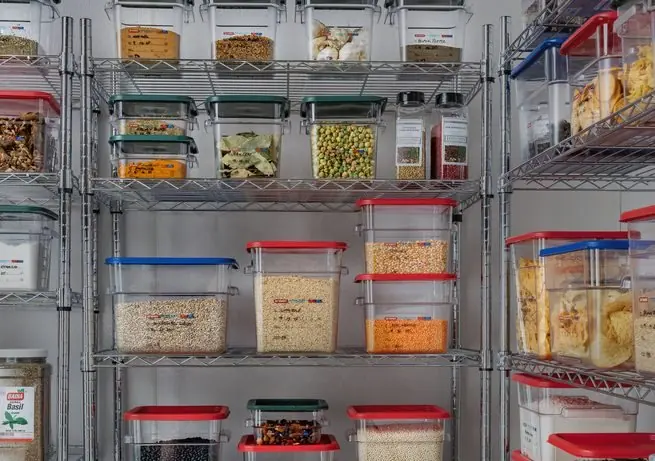 Make Every Ingredient LastWhere does good food quietly go bad? Usually in storage. Airtight containers, clear labels, and FIFO rotation protect food cost like refrigeration does.By the Zink equipment team
Tabletop & smallwares
 The Buffet Plate That Plays Both SidesCan one buffet piece hold both hot and cold food? Cast aluminum serveware like Bugambilia by G.E.T. retains temperature at either extreme.By the Zink tabletop team
 Choosing china that survives a 300-cover SaturdayHow to pick restaurant china that stands up to heavy service. Body types, edge protection, glaze, and testing plates before you commit.By the Zink tabletop team
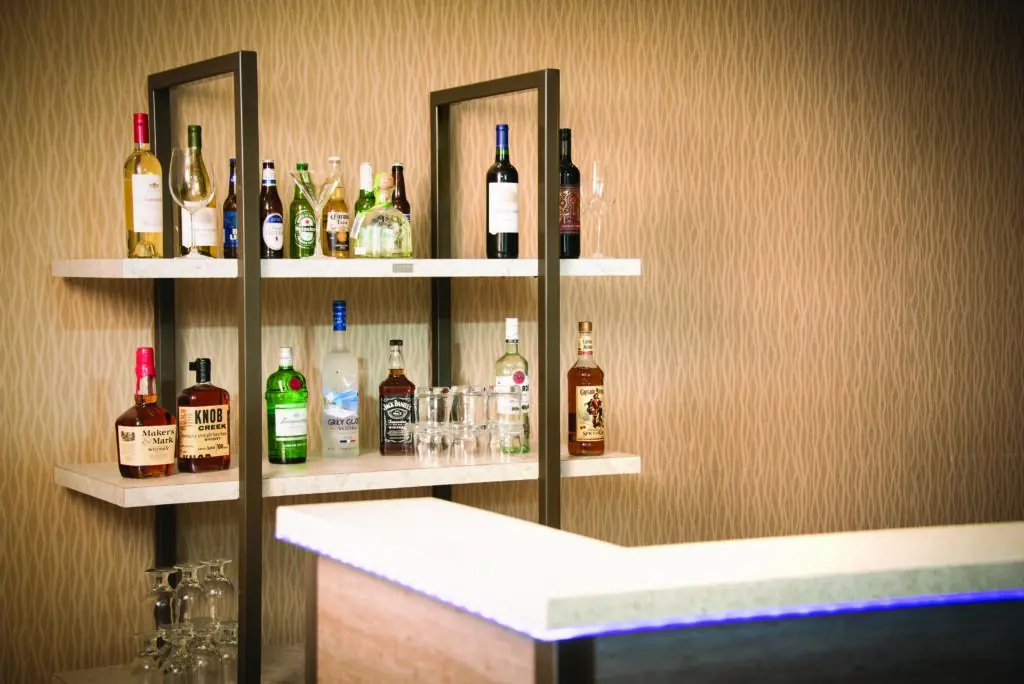 Drinkware programs: glass vs. polycarbonate vs. Tritan by venue typeGlass, polycarbonate, or Tritan? How to match drinkware material to your venue, from dining rooms to pool decks, and what each trade-off costs you.By the Zink tabletop team
 Flatware weights and finishes: what holds up in real serviceFlatware weights, stainless grades, and finishes explained. What survives dish machines and daily service, and how to test before you buy.By the Zink tabletop team
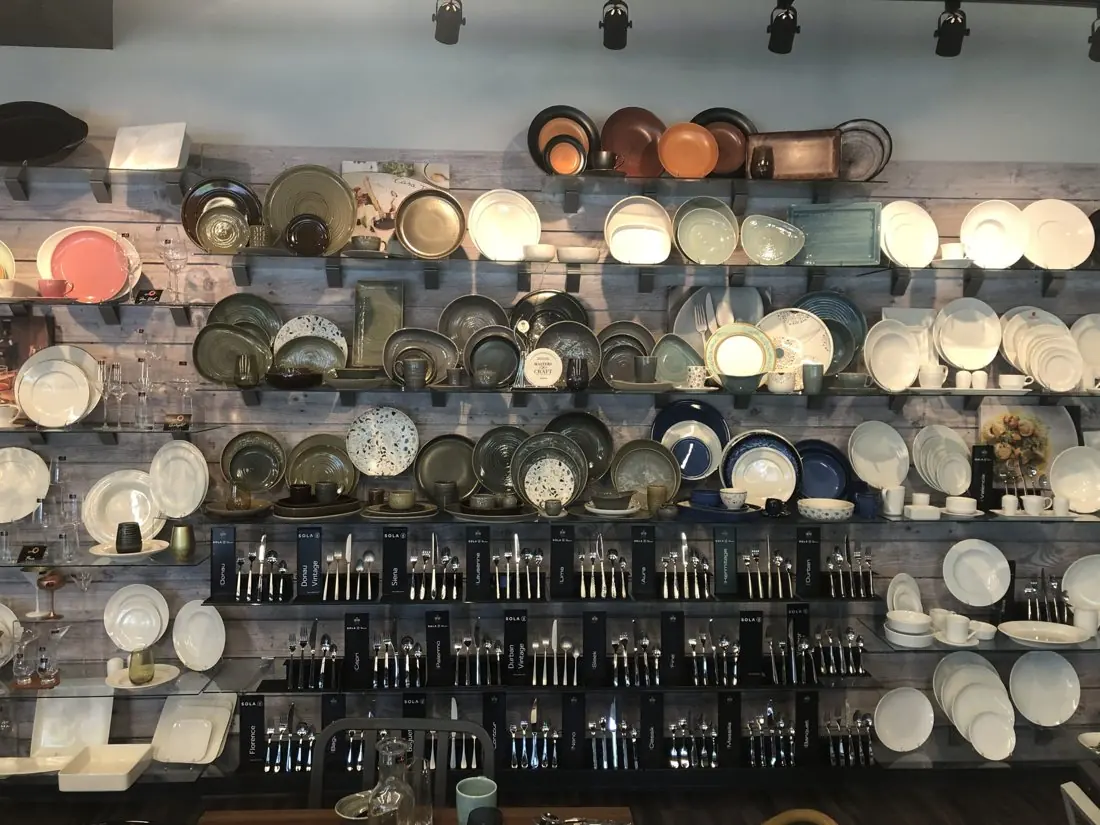 How many place settings does a restaurant actually need? The par-level mathA simple par-level framework for dinnerware: seats, turns, dish cycle, buffer, and breakage reserve. Do the math before you order.By the Zink tabletop team
 Looks Like China, Lasts Like MelamineHeavyweight melamine gives you the look and feel of china without the breakage bill. Where it fits, the honest tradeoffs, and how to test it.By the Zink tabletop team
Smallwares checklist for opening a restaurant kitchenA station-by-station smallwares checklist for opening a restaurant kitchen: prep, line, plating, storage, and cleaning, with buying tips.By the Zink tabletop team
Looks Like China, Lasts Like MelamineHeavyweight melamine gives you the look and feel of china without the breakage bill. Where it fits, the honest tradeoffs, and how to test it.By the Zink tabletop team
Smallwares checklist for opening a restaurant kitchenA station-by-station smallwares checklist for opening a restaurant kitchen: prep, line, plating, storage, and cleaning, with buying tips.By the Zink tabletop team
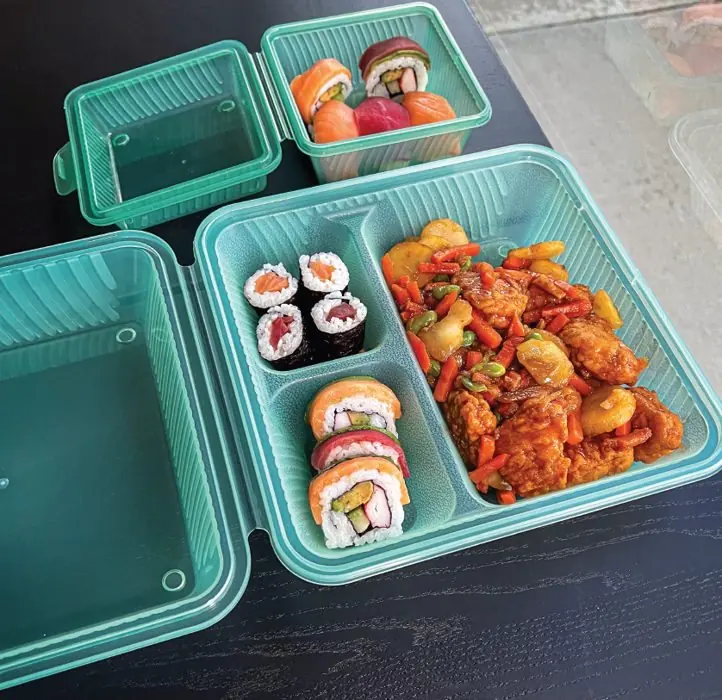 The To-Go Box That Comes BackReusable to-go containers turn packaging from a recurring cost into an asset. How the return loop works and where reusable programs pay off.By the Zink tabletop team
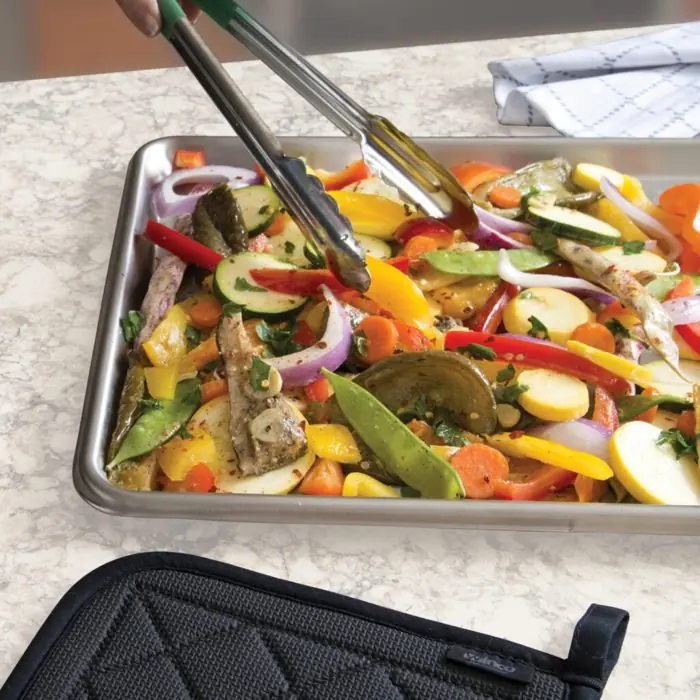 Why a Cheaper Sheet Pan Costs You MoreSheet pan gauge runs backwards: lower numbers mean thicker metal. How to match gauge to the job so your smallwares outlast the year.By the Zink tabletop team
 Why Your Glasses Come Out CloudyCloudy glassware has two causes — mineral film you can remove and etching you cannot. A simple vinegar test tells you which, and what to fix.By the Zink tabletop team
Furniture & FF&E
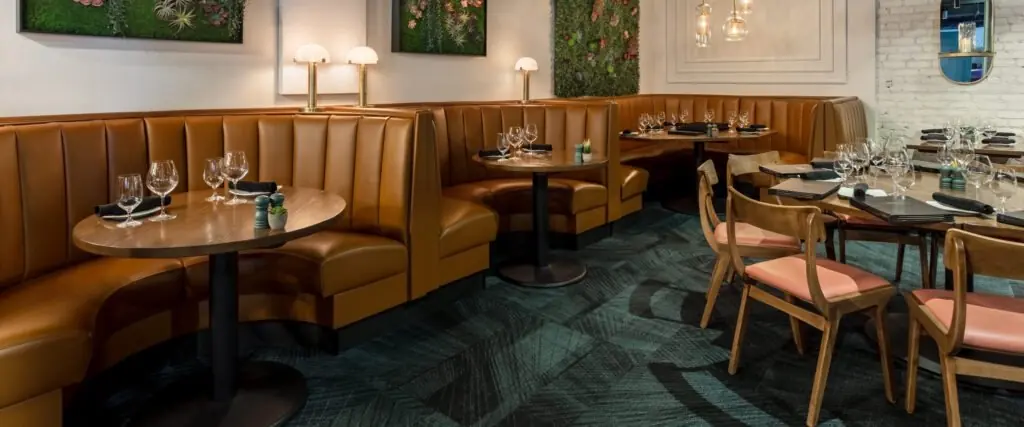 Booth vs. Table Seating: Capacity, Comfort, and Revenue per Square FootBooths or tables? A practical framework for comparing capacity, comfort, flexibility, and revenue potential before you commit your floor plan.By our Furniture & Design specialists
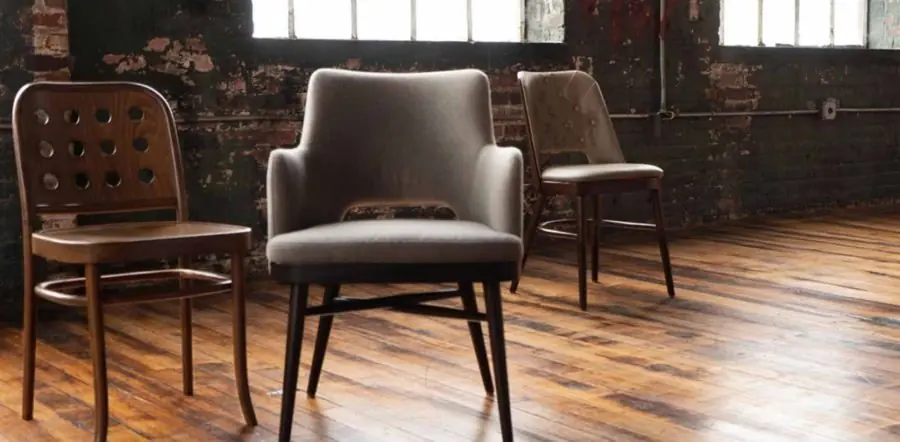 The Chair Takes More Abuse Than You ThinkHow do you choose commercial seating that lasts? Look past the photo: frames, upholstery, glides, and the room it lives in decide the lifespan.By our Furniture & Design specialists
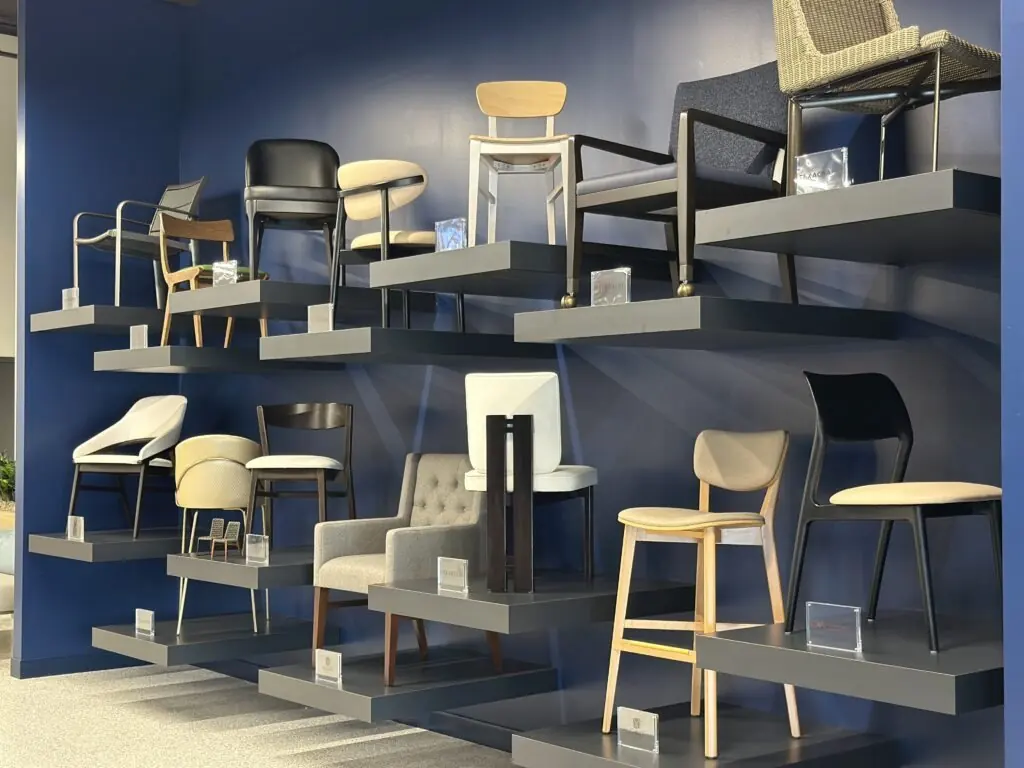 Restaurant Chair Buying Guide: What Commercial-Grade Actually MeansWhat separates a commercial-grade restaurant chair from a residential lookalike: frames, joints, finishes, warranties, and how to test before buying.By our Furniture & Design specialists
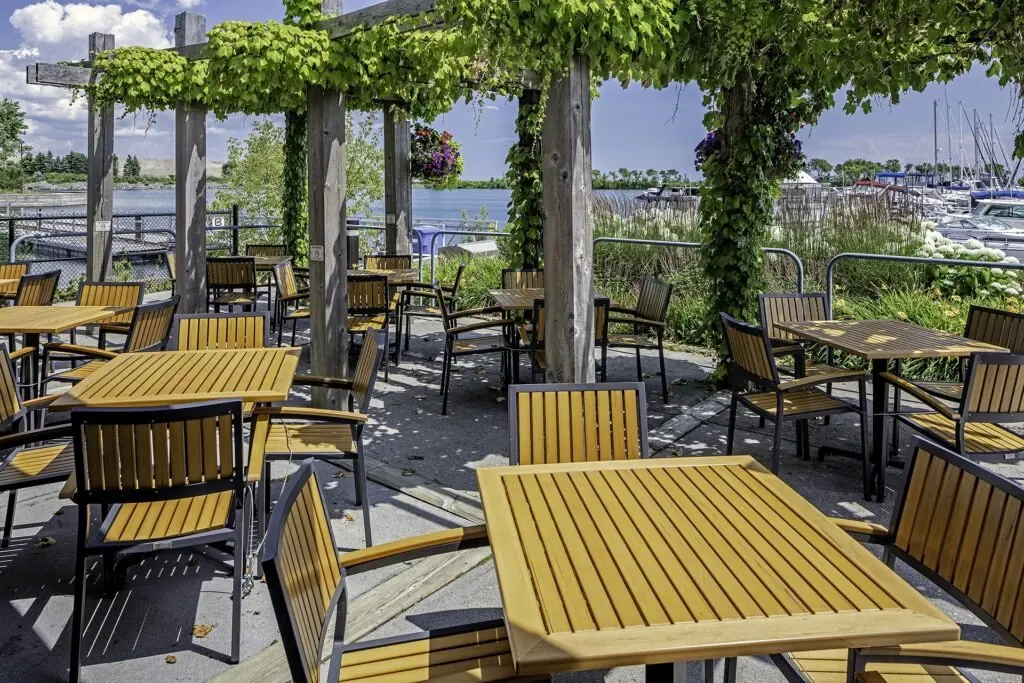 Planning a Patio Season That Makes Money: Outdoor Furniture That LastsHow to plan commercial patio furniture that survives weather, turns tables, and pays for itself. Materials, layout, storage, and timing advice.By our Furniture & Design specialists
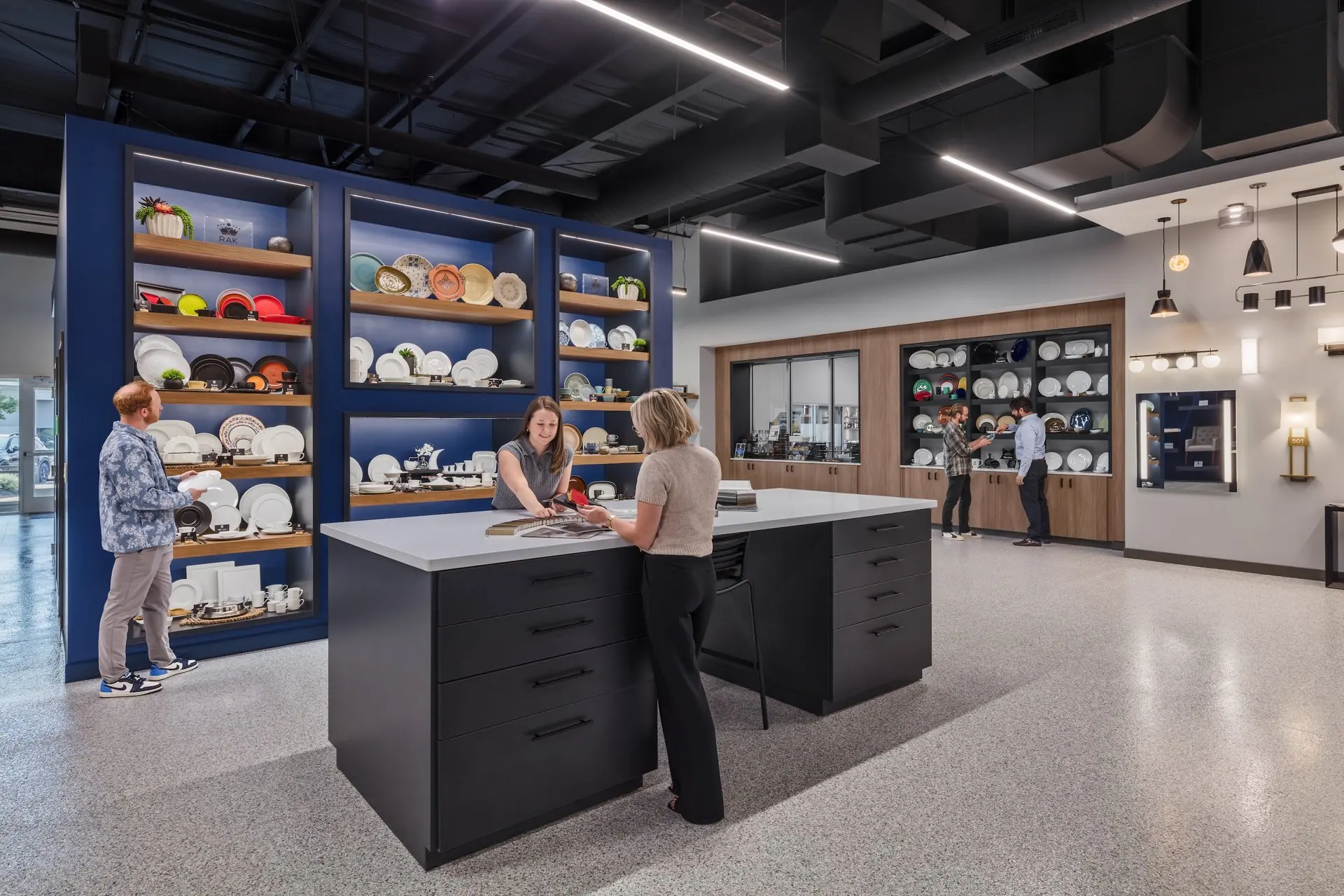 FF&E Budgeting for a New Build: What Designers Wish Operators KnewHow to budget FF&E for a new foodservice build: the categories operators forget, the right sequence, and where cutting costs backfires.By our Furniture & Design specialists
By segment
What changes when the operation is a hospital, a campus or a forecourt.
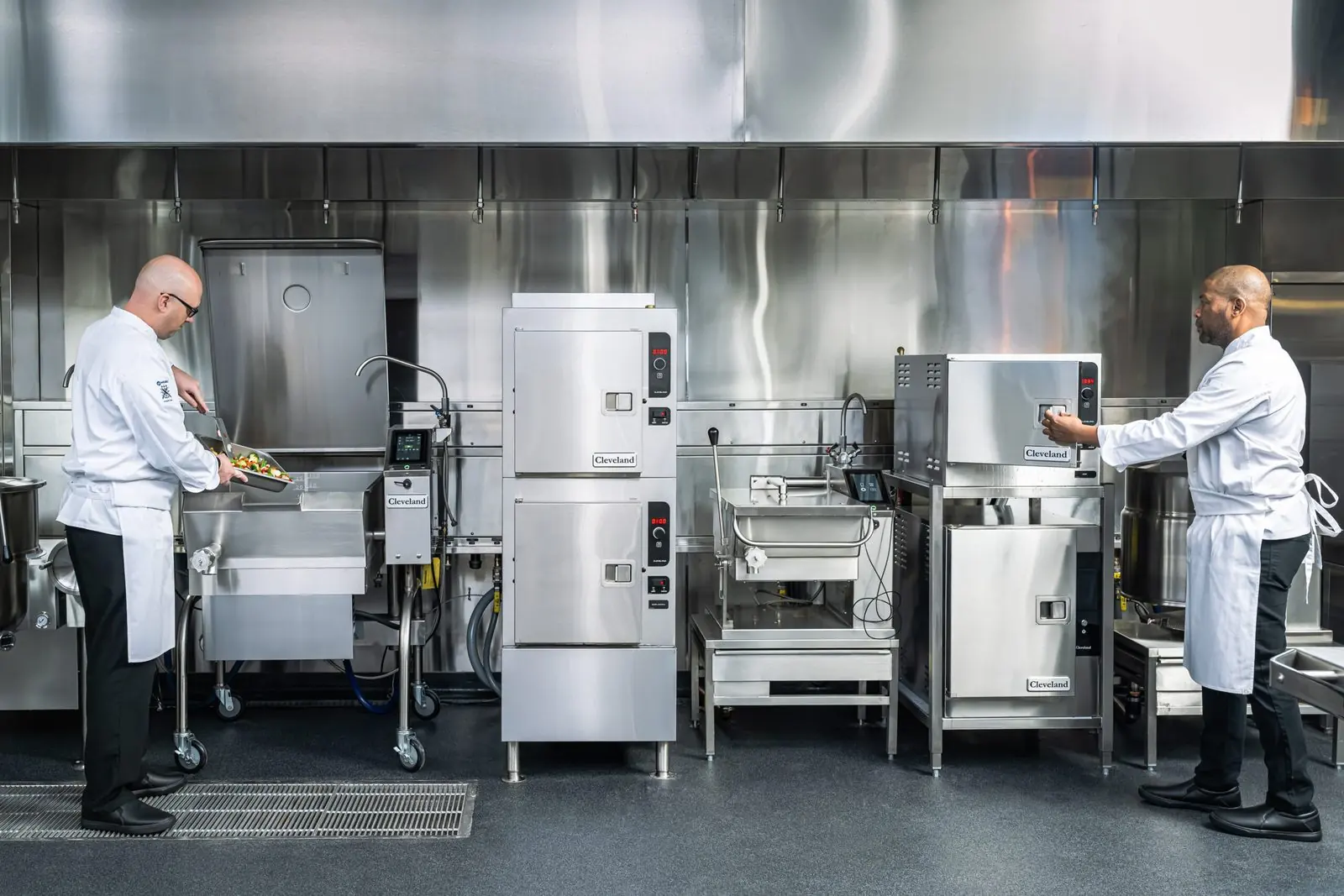 The New CMS Menu Directives Are an Equipment Problem TooLess sugar, less processed food, more scratch cooking — CMS-driven menu redesign changes the back-of-house equipment list. What to check before your next survey cycle.By the Zink healthcare team
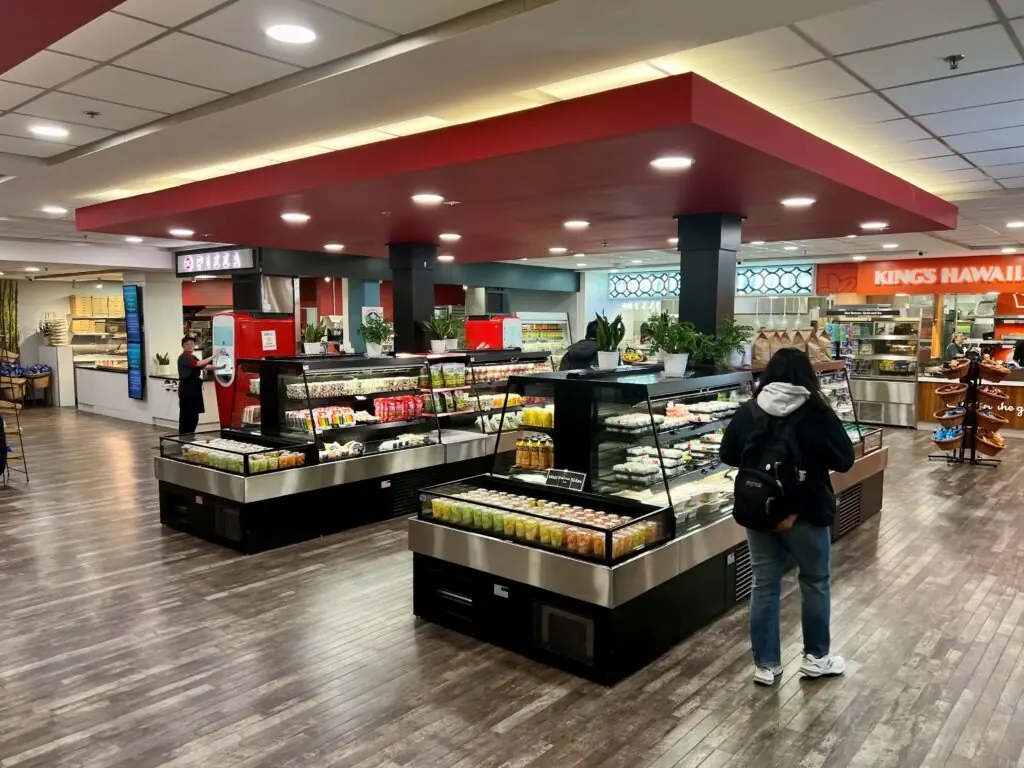 C-Store Foodservice: Restaurant Quality with Retail LaborHow c-stores deliver restaurant-quality food with retail staffing: the equipment strategy, from automated cooking to hot holding and merchandising.By our C-Store & Retail Segment specialists
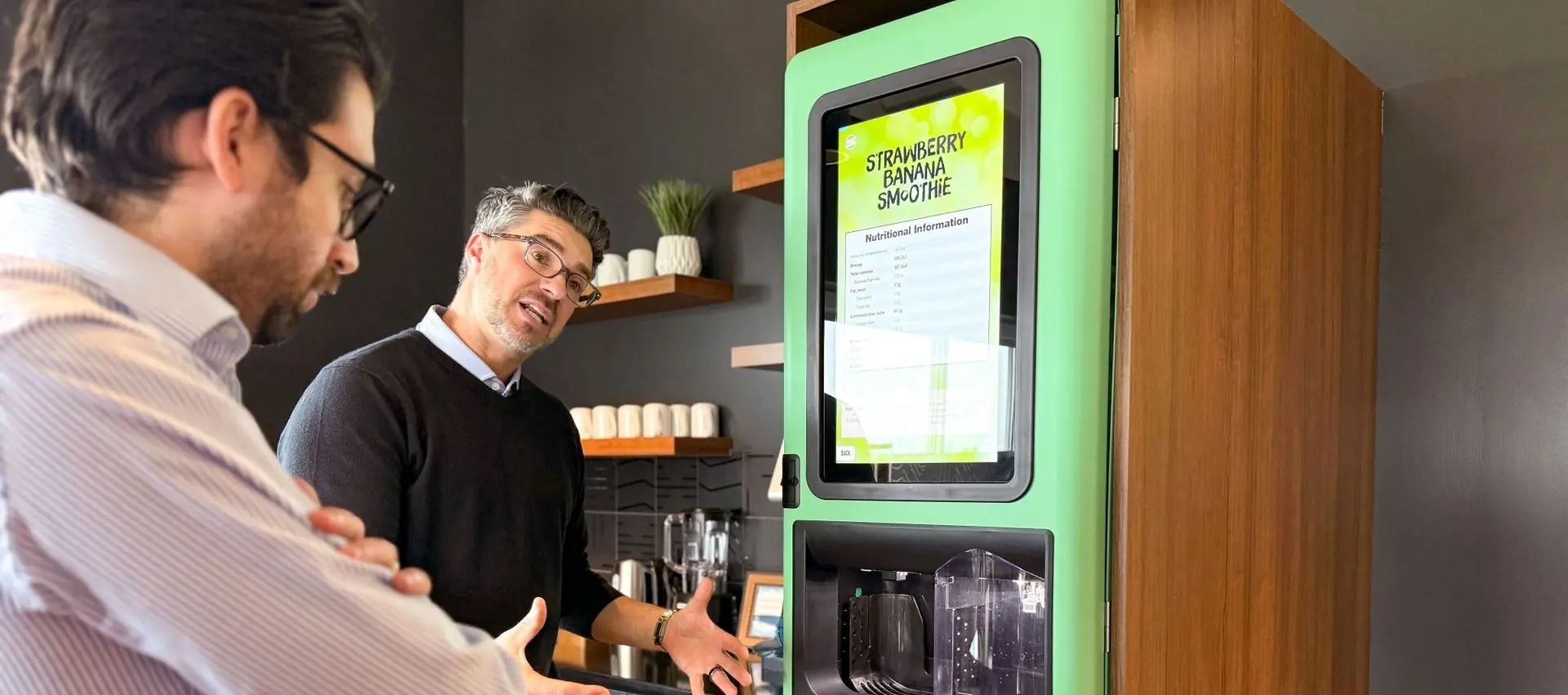 Feeding the 3rd Shift: The Case for the 24/7 Micro-MarketHospitals run 24/7 but most cafés don't. How micro-markets, hot lockers, and unattended retail feed overnight staff without adding a single shift of labor.By the Zink healthcare team
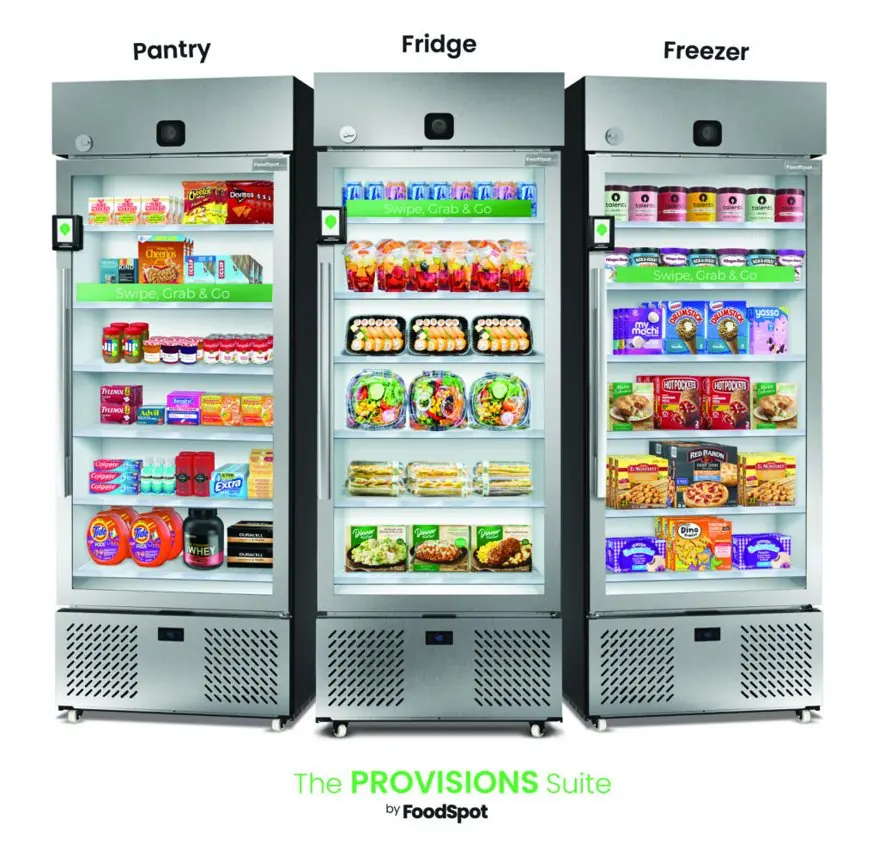 Healthcare Foodservice Equipment: Tray Lines, Room Service, and Infection ControlHow healthcare foodservice equipment differs by service model: tray line vs. room service, meal delivery, temperature holding, and infection control.By our Healthcare Segment specialists
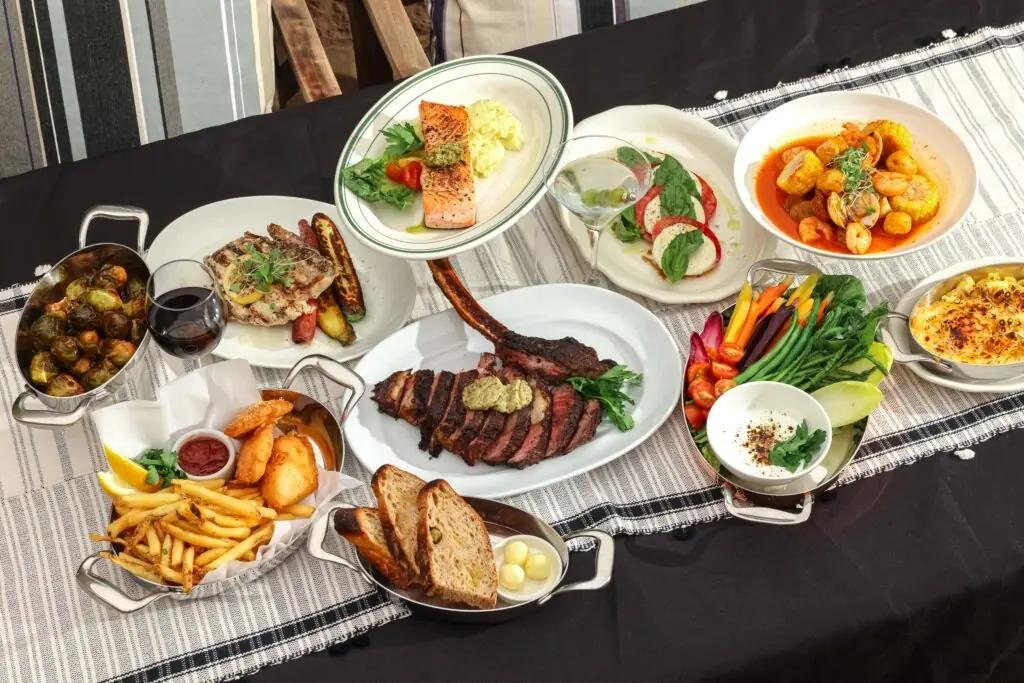 Hotel Banquet and Buffet Equipment: What Hospitality Operators Over- and Under-BuyWhere hotel banquet and buffet budgets go wrong. What hospitality operators over-buy, what they under-buy, and how to test equipment before you commit.By our Hospitality Segment specialists
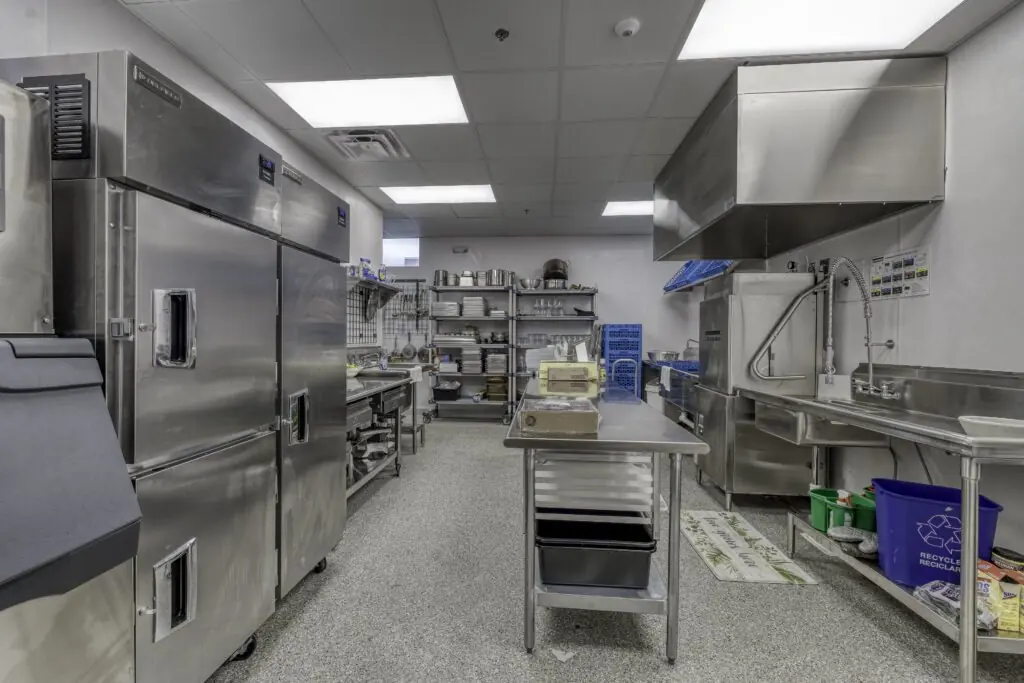 Independent restaurant equipment: where to spend and where to saveWhere independent restaurants should spend equipment budget and where a value tier is fine: menu-driven priorities, buy-once pieces, and downtime risk.By the Zink equipment team
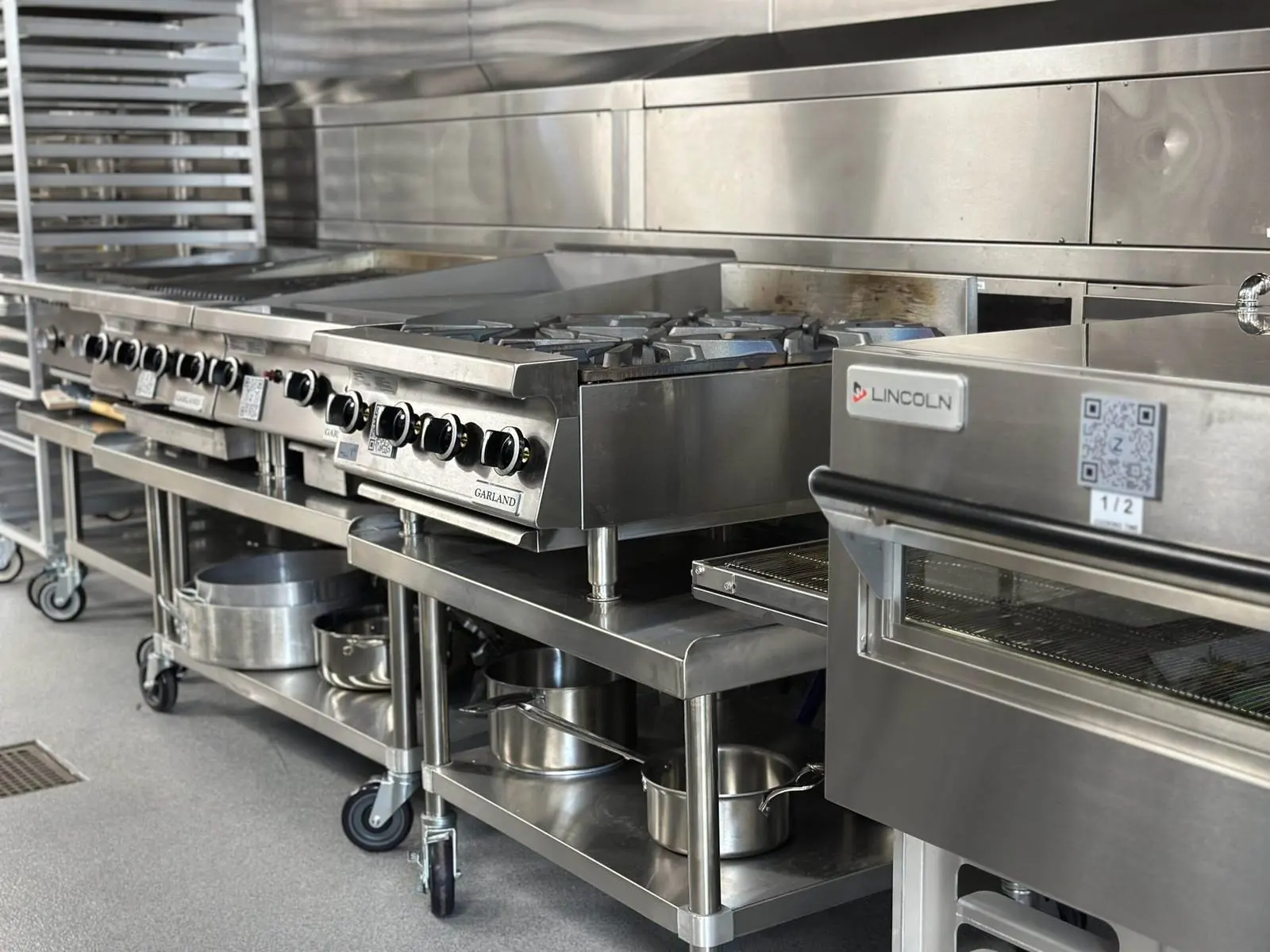 Keeping Self-Op Strong: The Equipment Story Your C-Suite Actually HearsContract companies are pitching your leadership. The strongest defense of a self-operated program is demonstrated ROI — and equipment is where you prove it.By the Zink healthcare team
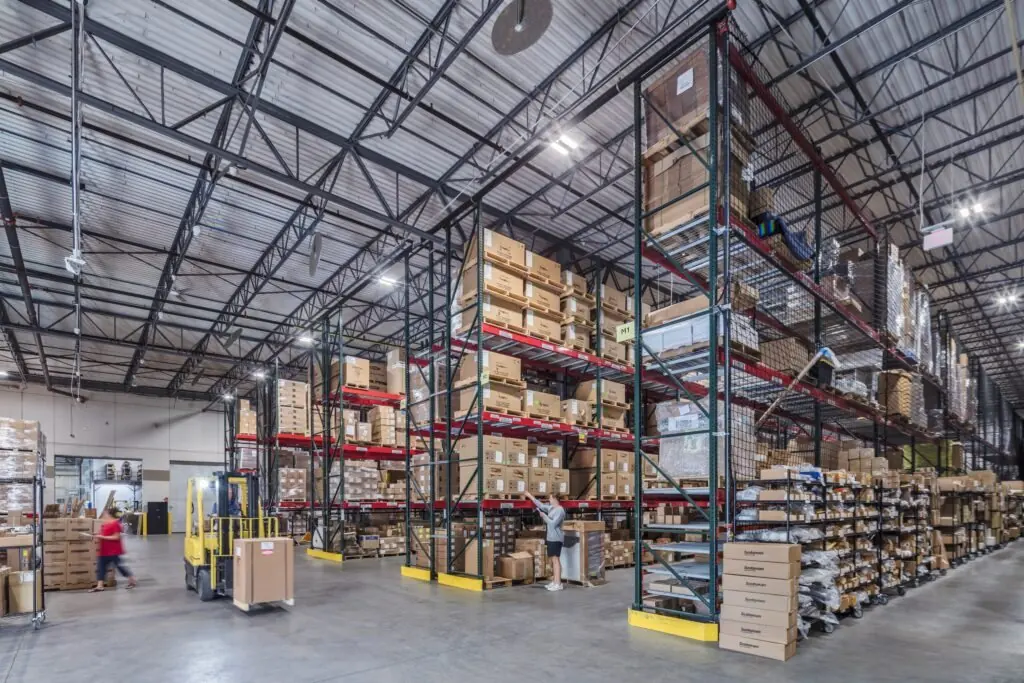 Multi-unit rollouts: speccing a kitchen you can repeatHow to spec a kitchen package that repeats across sites: standardizing equipment, designing for the tightest store, lead times, and service coverage.By the Zink equipment team
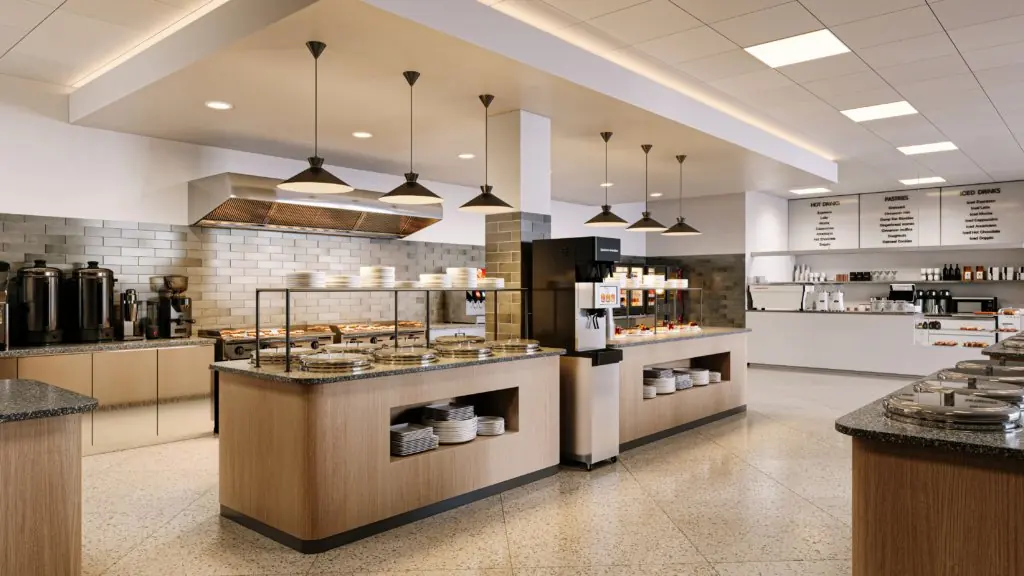 K-12 and Campus Dining: Speccing for Volume, Labor, and ComplianceHow to spec K-12 and campus dining equipment for short meal windows, lean labor, and compliance, from serving lines to batch cooking and holding.By our Education Segment specialists
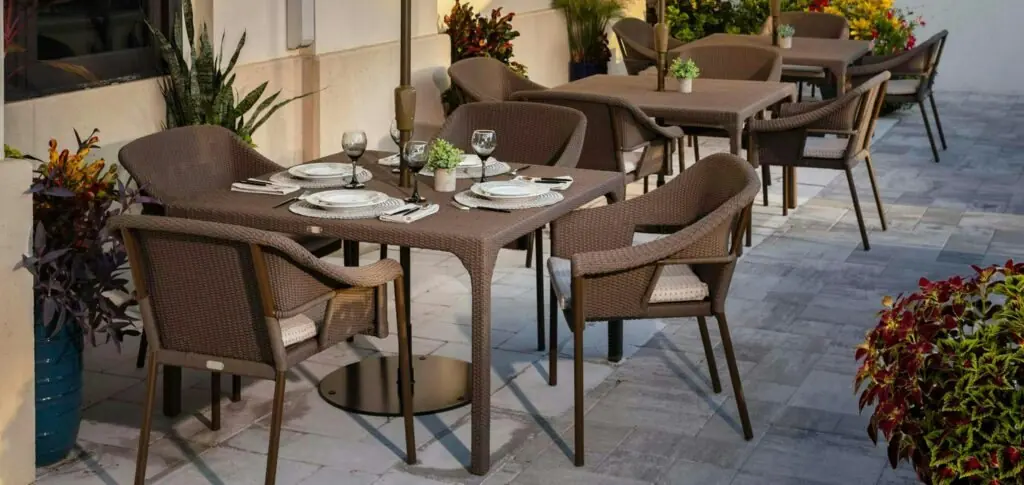 Senior Living Dining: Equipment Choices That Dignify the MealEquipment choices that make senior living dining feel like hospitality, not an institution. What to spec for dignity, safety, and staff reality.By our Senior Living Segment specialists
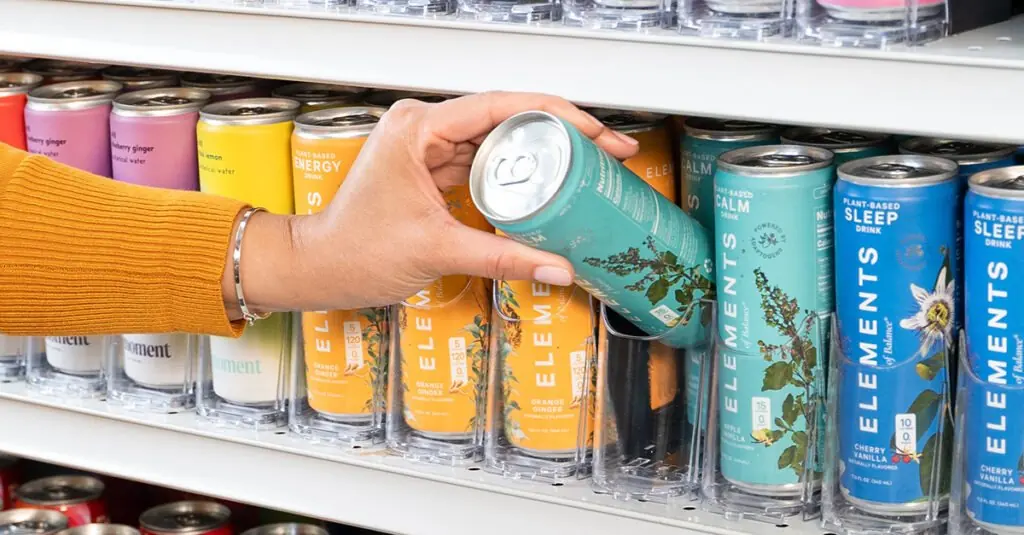 Stadium and Venue Concessions: Throughput Equipment That Survives Event DayHow stadiums and venues spec concessions equipment for event-day throughput: speed of service, recovery time, durability, and testing before you buy.By our Stadium and Venue Segment specialists
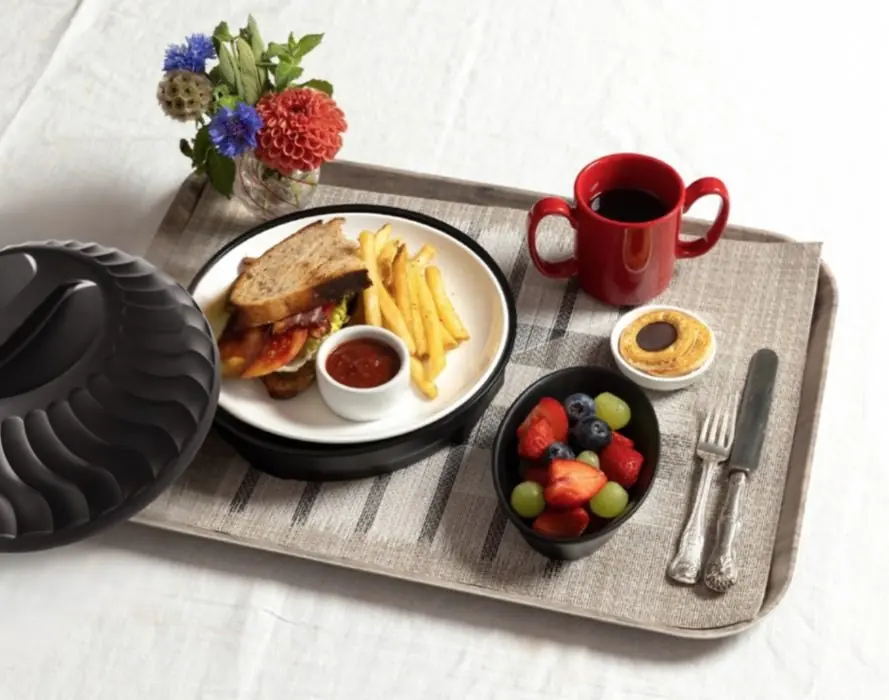 The Long Trip From Tray Line to BedsideWhy hospital meals arrive lukewarm — and how heat-retention ceramic like Tuxton's TuxHEAT keeps patient food warm from tray line to bedside.By our Healthcare Segment specialists
Zink news
Openings, events and what the team has been up to.
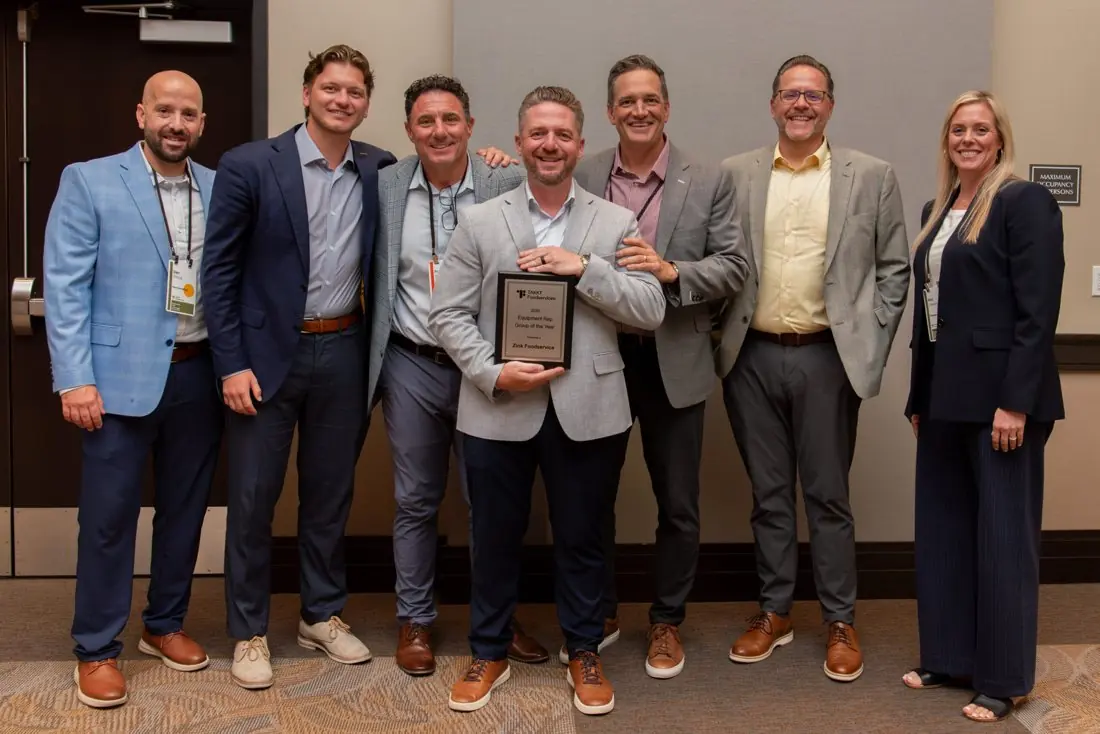 Employee ownership in foodservice: what an ESOP rep firm means for customersZink Foodservice is an employee-owned ESOP rep firm. Here is what that structure means for the dealers and operators who work with us.By the Zink leadership team
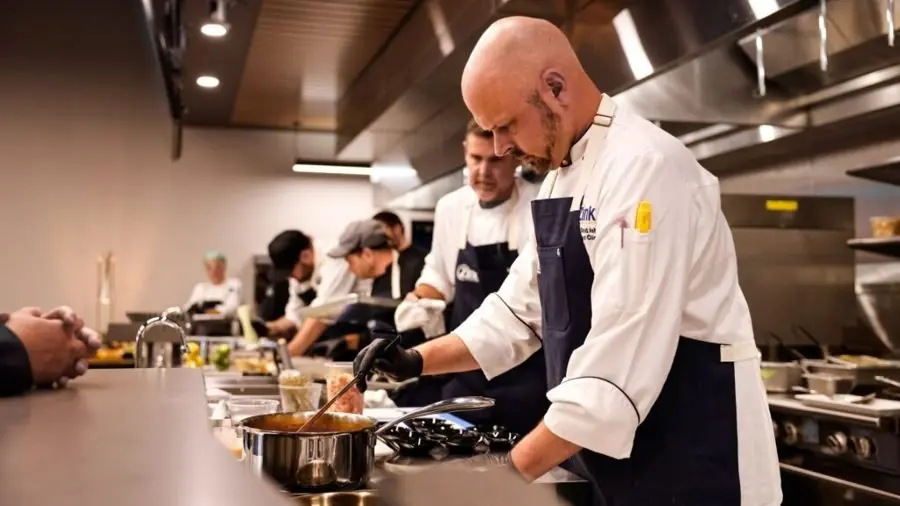 Zink Announces New Detroit Culinary Center OpeningZink Foodservice opens a new Detroit-area culinary center in Plymouth, MI with Affinity Group — equipment testing, chef demos, and menu development.By the Zink team
Rather watch?
The full video library →
Field Notes, from the field.
What's moving in Great Lakes foodservice, premier brand updates, promotions and new products, and upcoming culinary center events.
Keep exploring